Thinking about becoming a mobile mechanic? It’s a job that’s as rewarding as it is challenging. You’re not just fixing cars; you’re running a business, working directly with customers, and sometimes battling the elements. Whether you’re just starting out or looking to sharpen your skills, proper training is the key to success. Let’s break down the must-know skills, tools, and strategies to help you thrive in this field.
Key Takeaways
- Understanding vehicle systems is the backbone of mobile mechanic work.
- Investing in the right tools and a fuel-efficient vehicle is a game changer.
- Safety gear like gloves and steel-toed boots isn’t optional—it’s a must.
- Learning to adapt to new tech like electric vehicles keeps you relevant.
- Social media and referrals are goldmines for growing your business.
Building a Strong Foundation: Essential Skills for Mobile Mechanics
Understanding Vehicle Systems and Diagnostics
If you’re going to be a mobile mechanic, you need to know cars inside and out. This means being familiar with the major systems—engine, transmission, brakes, suspension, and electrical. It’s not just about knowing what they do, but how they interact and fail. Accurate diagnostics can make or break your reputation. Invest time in learning to use diagnostic tools effectively. Speaking of tools, having high-quality diagnostic equipment is key to pinpointing issues quickly and efficiently. Essential tools like OBD-II scanners and multimeters should always be in your kit.
Mastering Basic and Advanced Repair Techniques
From changing brake pads to replacing timing belts, a mobile mechanic should be ready for anything. Start with the basics—oil changes, tire rotations, and battery replacements. But don’t stop there. Learn advanced repairs like fixing electrical systems or handling engine rebuilds. Make a habit of practicing and refining your skills, even when you think you’ve "got it." The more versatile you are, the more jobs you’ll be able to take on, and that means more income.
Developing Customer Service Skills
Being a great mechanic isn’t just about fixing cars—it’s also about how you treat people. When you’re mobile, you’re often meeting customers in stressful situations, like when their car breaks down. A calm, friendly attitude can go a long way. Listen to their concerns, explain what you’re doing in simple terms, and always follow up to make sure they’re satisfied. Remember, happy customers are more likely to recommend you to others, which is free advertising.
Equipping for Success: Tools and Vehicles for Mobile Mechanics
Choosing the Right Service Vehicle
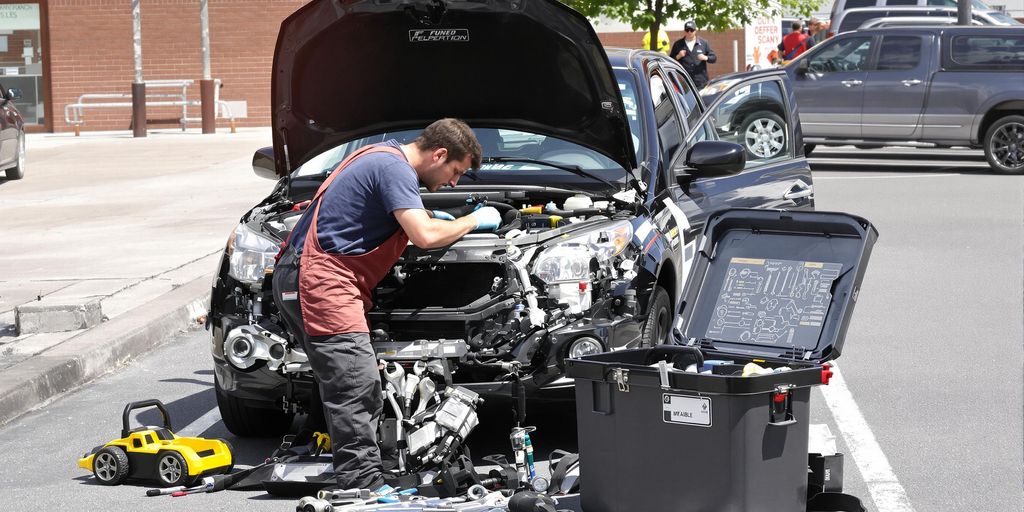
Your service vehicle is your mobile workshop, so picking the right one is a big deal. Fuel efficiency is a must—nobody wants a vehicle that eats up profits at the gas pump. Look for something that balances fuel economy with enough cargo space to carry all your tools and parts. If you’re working with diagnostics, you might get away with a smaller setup, but a mobile tire repair setup? That’s a whole different story—you’ll need room for bulky equipment. Also, check if the interior is flexible. Can you reconfigure it to fit different jobs? This kind of adaptability can save you headaches down the line.
Essential Tools Every Mobile Mechanic Needs
Having the right tools can make or break your day. Here’s a quick list of must-haves:
- OBD Scanner: A solid diagnostic tool is worth its weight in gold.
- Heavy-Duty Jack: You’ll need this for tire changes or under-car repairs.
- Brake Tools: Things like a brake pedal depressor and bleeding kit are lifesavers.
- Portable Power Tools: Drills, impact wrenches, and the like can speed up your work.
- Basic Hand Tools: Wrenches, screwdrivers, and pliers—don’t skimp here.
Keep in mind, investing in quality tools pays off in the long run. Cheap tools break, and that’ll cost you more in time and money.
Maintaining and Organizing Equipment
A messy workspace—mobile or not—slows you down. Here are some tips to keep your gear in check:
- Inspect your tools regularly for wear and tear.
- Replace anything that’s broken right away. Don’t wait until you’re mid-job.
- Clean your tools after every use. It’s not just about appearances; it keeps them working longer.
- Use toolboxes or organizers to keep everything in its place. Time spent hunting for a wrench is time wasted.
- Create a system. Whether it’s by job type or tool type, find what works for you and stick to it.
"A well-organized setup isn’t just about looking professional—it’s about working smarter, not harder."
Remember, your tools and vehicle are the backbone of your business. Treat them well, and they’ll return the favor.
Safety First: Best Practices for Mobile Mechanics
Using Personal Protective Equipment Effectively
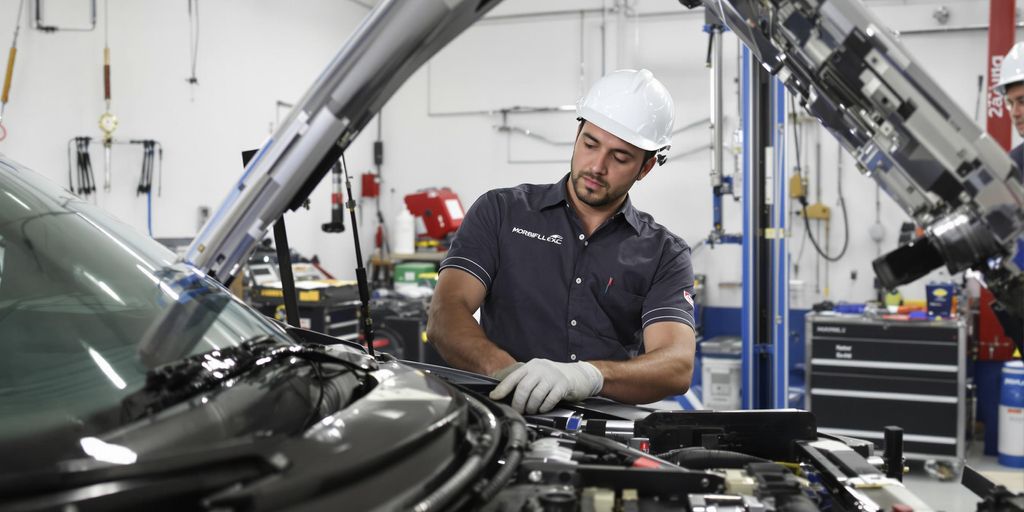
When you’re a mobile mechanic, safety gear isn’t optional—it’s a must. Personal protective equipment (PPE) keeps you safe from unexpected hazards like flying debris, chemical spills, or even heavy tools slipping from your hands. Here’s a quick checklist of essential PPE:
- Safety glasses to shield your eyes from debris and chemicals.
- Durable work gloves to protect against cuts and burns.
- Steel-toed boots to safeguard your feet from falling tools or parts.
- High-visibility vests for working in low-light or high-traffic areas.
- Ear protection in noisy environments.
Make sure your PPE fits well and is in good condition. A damaged glove or fogged-up glasses can be just as dangerous as not wearing them at all.
Creating a Comprehensive Safety Checklist
A safety checklist might sound like overkill, but it’s one of the simplest ways to avoid accidents. Before starting any job, run through these key points:
- Inspect the work area for hazards like uneven ground or poor lighting.
- Verify that all tools and equipment are in working condition.
- Double-check your PPE—are you wearing everything you need?
- Ensure your service vehicle is parked safely and securely.
- Plan an exit strategy in case of emergencies.
Having a checklist not only keeps you safe but also helps you stay organized. It’s a small habit with big benefits.
Handling Emergency Situations on the Job
Let’s face it: emergencies happen. Whether it’s a sudden downpour, a tool malfunction, or even a minor injury, being prepared can make all the difference. Here are some tips:
- Keep a well-stocked first aid kit in your service vehicle. Include basics like bandages, antiseptic wipes, and burn gel.
- Know the emergency contact numbers for your area, and save them in your phone.
- Familiarize yourself with basic first aid procedures, such as treating cuts or chemical burns.
- If you encounter an unsafe environment—like a customer’s driveway that’s too steep—don’t hesitate to reschedule or relocate the job.
Safety isn’t just about what you do; it’s about how prepared you are for the unexpected. A little foresight can save a lot of trouble later.
By following these practices, you’re not just protecting yourself—you’re also building trust with your customers. After all, a safe mechanic is a reliable mechanic.
Weathering the Elements: Strategies for Outdoor Repairs
Preparing for Extreme Weather Conditions
When you’re working outside as a mobile mechanic, the weather isn’t just an inconvenience—it’s a constant challenge. Being prepared for extreme weather can make or break your day.
Here’s how you can stay ahead:
- Hot Weather: Pack plenty of water and stay hydrated. A portable fan or cooling towel can be a lifesaver during long hours in the heat.
- Cold Weather: Layer up with insulated clothing and gloves. Keep hand warmers in your kit for those freezing mornings.
- Rainy Days: Invest in waterproof gear and a sturdy pair of boots. A rain poncho can keep you dry and mobile.
- Windy Conditions: Be cautious with loose tools and lightweight equipment that might blow away. Secure your workspace as much as possible.
Setting Up Portable Shelters
A portable shelter can be a game-changer when the elements aren’t on your side. Gazebos, pop-up tents, or even makeshift tarps attached to your service vehicle can provide the cover you need to keep working efficiently.
- Ease of Setup: Choose a shelter that’s quick and simple to set up. Spending 30 minutes wrestling with poles isn’t ideal.
- Durability: Look for materials that can withstand wind and rain without collapsing.
- Portability: Consider how much space the shelter will take up in your service vehicle. Compact, foldable options are best.
Protecting Tools and Equipment from the Elements
Your tools are your livelihood, so keeping them safe from weather damage is non-negotiable. Here are some tips:
- Store tools in waterproof cases or bags to prevent rust and corrosion.
- Use protective covers for larger equipment that can’t be stored away quickly.
- Keep a stash of silica gel packs in your toolboxes to absorb moisture.
Working outdoors is tough, but with the right gear and preparation, you can handle whatever Mother Nature throws your way. It’s all about staying flexible and ready for anything.
Staying Competitive: Continuous Learning and Adaptation
Keeping Up with Industry Trends and Technology
The automotive world changes fast. New tools, software, and vehicle systems are introduced all the time. Staying updated is non-negotiable if you want to remain relevant. Subscribe to industry magazines, join forums, or attend expos to see what’s coming next. For example, many mechanics are now investing in diagnostic tools that can handle the latest car models. It’s not just about repairs anymore; it’s about understanding the tech inside the vehicles.
Participating in Training and Certification Programs
Training isn’t something you do once and forget. You’ve got to keep at it. Look into certifications like ASE (Automotive Service Excellence) or manufacturer-specific programs. These not only improve your skills but also show customers you’re serious about your craft. A quick list of certifications worth considering:
- ASE Certifications (General and Specialty)
- EV and Hybrid Vehicle Training
- Advanced Diagnostics Workshops
Adapting to the Rise of Electric Vehicles
Electric vehicles (EVs) are no longer the future—they’re here. If you’re not ready to work on them, you’re already behind. Learn how to handle high-voltage systems, battery diagnostics, and EV-specific repairs. Some mechanics have even started specializing exclusively in EVs to stand out. Think about it: as EV adoption grows, so does the demand for knowledgeable technicians.
Marketing Your Mobile Mechanic Business Effectively
Leveraging Social Media and Online Platforms
Social media isn’t just for selfies and cat videos—it’s a goldmine for connecting with potential customers. Create profiles on platforms like Facebook and Instagram, and post regularly to showcase your work. Share before-and-after photos of repairs, customer testimonials, and even quick tips for car maintenance. Consistency is key here—even a simple post once a week can keep you on your audience’s radar. Don’t forget to engage with comments and messages; it shows you’re approachable and professional.
Building a Strong Referral Network
Word-of-mouth marketing still works wonders. Encourage satisfied customers to spread the word by offering a referral program. For example, you could give a discount on future services for every new client they bring in. It’s even better if you promote this program during customer interactions or through follow-up emails. Satisfied customers are your best advocates, so make it easy for them to recommend you.
Creating a Professional Website
A website is your digital storefront. Make sure it’s easy to navigate and includes all the essentials: a list of services, contact information, and a section for customer reviews. Adding an online booking option can also save you time and streamline scheduling. Highlight what sets you apart, whether it’s 24/7 availability or expertise in specific repairs. Check out this guide for tips on building a user-friendly site that converts visitors into customers.
The right marketing strategy doesn’t just bring in more clients—it builds trust and makes your business the go-to choice in your area.
Managing Operations: Strategies for Efficiency and Growth
Streamlining Scheduling and Customer Communication
Running a mobile mechanic business can get chaotic without a proper system in place. Efficient scheduling and clear communication with customers are non-negotiable. Start by investing in software that allows you to manage appointments, send reminders, and track job progress in real-time. A good system can prevent double bookings and ensure you’re never late for a job.
Here are some tips to keep things smooth:
- Use appointment management software to simplify scheduling.
- Send automated text or email reminders to customers about their appointments.
- Offer multiple communication channels, like phone, email, or even chat, for flexibility.
Keeping your customers informed about delays or updates can turn a potential complaint into a positive experience.
Tracking Expenses and Managing Finances
Keeping track of your finances might not be the most exciting part of the job, but it’s critical for long-term success. Use accounting software to monitor your income and expenses. This will help you identify where you’re overspending and where you can cut costs.
Consider these steps:
- Categorize expenses like tools, travel, and parts.
- Set aside a portion of your income for taxes.
- Regularly review your profit margins to ensure you’re pricing your services correctly.
If you’re just starting, setting competitive prices based on market research and your costs will help you attract customers without undercutting yourself.
Expanding Services to Meet Customer Needs
Once your business is running smoothly, think about ways to grow. Are there services your customers frequently ask for that you don’t yet offer? Maybe it’s time to add them. For instance, if you notice a rise in electric vehicles in your area, consider training to handle EV repairs.
Some ideas for expansion:
- Offer maintenance packages for regular customers.
- Add specialized services like diagnostics for hybrid or electric vehicles.
- Partner with local businesses for fleet maintenance contracts.
Growth doesn’t just mean doing more—it means doing better. Focus on quality, and the quantity will follow.
In today’s busy world, making car repairs easy is important. At Deerfield Beach Mobile Mechanic, we come to you, whether you’re at home or work. Our skilled team is ready to help with everything from brake repairs to engine diagnostics. We focus on providing quick and reliable service, so you can get back to your day without stress. Don’t let car troubles slow you down—visit our website to learn more about how we can help you today!
Conclusion
Becoming a successful mobile mechanic isn’t just about knowing how to fix cars—it’s about being prepared, adaptable, and customer-focused. From choosing the right vehicle to mastering safety protocols and staying organized, every step you take builds the foundation for a thriving business. Sure, it’s not always easy—weather, tools, and even the occasional tricky customer can throw you a curveball. But with the right mindset and strategies, you can turn challenges into opportunities. At the end of the day, it’s about delivering reliable service and building trust with your customers. So, gear up, stay safe, and keep those wheels turning—your success is in your hands.
Frequently Asked Questions
What does a mobile mechanic do?
A mobile mechanic travels to customers to fix or maintain vehicles. They handle tasks like oil changes, brake repairs, battery replacements, and even some diagnostics, all from a mobile setup.
What tools are essential for a mobile mechanic?
A mobile mechanic needs basic tools like wrenches, screwdrivers, and jacks, as well as advanced diagnostic equipment, portable power tools, and safety gear such as gloves and goggles.
How can a mobile mechanic prepare for bad weather?
Mobile mechanics can use portable shelters, wear weather-appropriate gear, and organize tools in waterproof containers to stay effective during extreme weather conditions.
What kind of vehicle is best for a mobile mechanic?
A reliable vehicle with good fuel efficiency, ample cargo space, and flexible interior configurations is ideal for carrying tools and equipment needed for various jobs.
How can mobile mechanics stay updated with industry trends?
They can attend workshops, enroll in certification programs, subscribe to industry newsletters, and stay informed about advancements like electric vehicle technology.
What are some effective ways to market a mobile mechanic business?
Using social media, creating a professional website, encouraging referrals, and distributing flyers in high-traffic areas are great ways to promote a mobile mechanic business.