If your car is acting up, especially when it comes to shifting gears, you might be dealing with transmission issues. Mobile transmission repair services are here to help, offering convenience right at your doorstep. This guide will walk you through the essentials of mobile transmission repair, from recognizing signs of trouble to finding the right service. Let’s dive into what you need to know to keep your vehicle in top shape without the hassle of traditional repair shops.
Key Takeaways
- Mobile transmission repair brings services directly to you, saving time and effort.
- Common transmission issues include slipping gears, unusual noises, and fluid leaks.
- Regular maintenance, like checking fluid levels, can prevent major issues down the line.
- Choosing a reliable service involves checking experience, certifications, and customer feedback.
- Understanding the repair process helps you know what to expect and how to maintain your vehicle afterward.
Understanding Mobile Transmission Repair
What Is Mobile Transmission Repair?
Mobile transmission repair is a service that brings the auto shop to you. Instead of taking your car to a traditional repair shop, a mechanic comes to your location – whether it’s your home, workplace, or even the side of the road. This is especially useful if your car won’t start or is unsafe to drive. It’s all about convenience and getting your car fixed without the hassle of towing or waiting in a shop. Mobile mechanics often handle a range of services, from basic diagnostics to complete transmission overhauls. They use specialized tools and equipment in their vans to perform repairs on-site. This service is gaining popularity because it saves time and reduces stress for car owners.
Common Issues Addressed
Mobile transmission repair services can tackle a variety of problems. Here are some common issues they address:
- Fluid Leaks: Identifying and fixing leaks in the transmission system.
- Slipping Gears: Diagnosing and repairing issues that cause the transmission to slip out of gear.
- Rough Shifting: Addressing problems that lead to hard or jerky gear changes.
- Unusual Noises: Investigating and resolving strange sounds coming from the transmission.
- Complete Transmission Failure: In some cases, mobile mechanics can perform a full transmission replacement on-site.
Mobile transmission repair is not always a one-size-fits-all solution. Some complex issues might require specialized equipment or a controlled environment that only a traditional shop can provide. However, for many common transmission problems, a mobile service offers a convenient and effective alternative.
Benefits of Mobile Transmission Services
There are several advantages to using a mobile transmission repair service. First and foremost is the convenience factor. You don’t have to worry about arranging a tow or taking time off work to drop off your car. The mechanic comes to you, saving you time and effort. Another benefit is the potential cost savings. Mobile services often have lower overhead costs than traditional shops, which can translate to lower prices for customers. Plus, you can often get a more personalized service, as you’re dealing directly with the mechanic who is working on your car. Finally, mobile auto repair can be a lifesaver in emergency situations, such as when your car breaks down on the road.
Key Components of Transmission Systems
Transmission Fluid
Think of transmission fluid as the lifeblood of your transmission. It lubricates all the moving parts, cools everything down, and helps transmit power. Without enough of the right kind of fluid, things can go south real fast. It’s not just about having fluid, it’s about having clean fluid. Over time, it gets contaminated with debris and loses its effectiveness. That’s why regular checks and changes are super important.
Transmission Filters
These filters are like the kidneys of your transmission. Their job is to keep the transmission fluid clean by trapping dirt, metal shavings, and other contaminants. A clogged filter restricts fluid flow, which can lead to all sorts of problems, including overheating and poor shifting. Replacing your transmission filters at the recommended intervals is a small price to pay compared to a full transmission rebuild.
Gears and Clutches
Gears and clutches are what actually make the transmission transmit. Gears provide the different ratios needed for acceleration and cruising, while clutches engage and disengage those gears. When these components start to wear out, you might notice slipping, rough shifting, or even complete failure to engage a gear. It’s a complex system, and even a small problem with one gear or clutch can throw everything off. Ignoring these symptoms can lead to major damage, so get them checked out ASAP.
Keeping an eye on these key components can save you a lot of money and headaches down the road. Regular maintenance is key, and addressing problems early is always better than waiting for them to turn into major disasters.
Signs Your Transmission Needs Repair
Unusual Noises
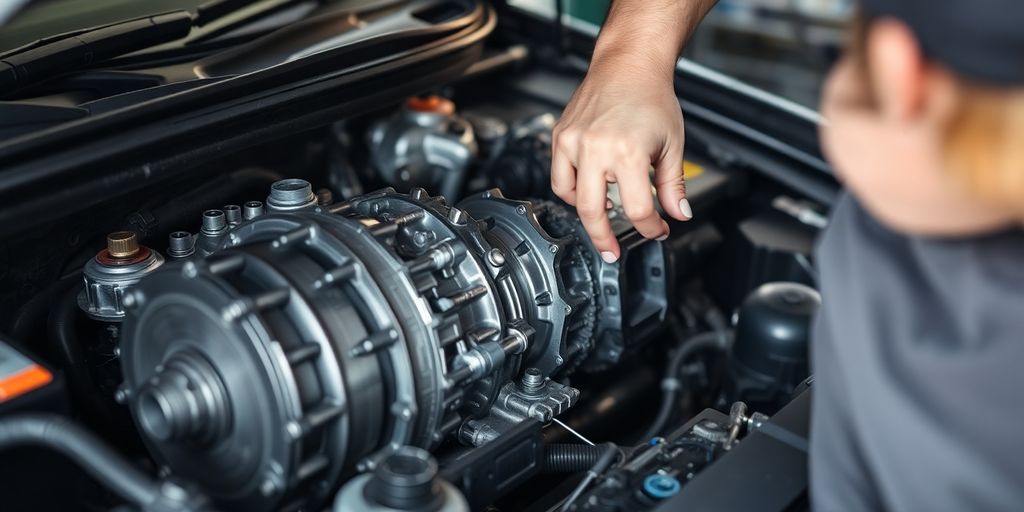
Okay, so your car is making some weird sounds? That’s never a good sign, right? When it comes to your transmission, listen up! Strange noises like whining, clunking, or humming, especially when shifting gears, could mean trouble. It might be something simple, but it’s better to get it checked out sooner rather than later. Ignoring it could lead to bigger, more expensive problems down the road. I remember this one time, my neighbor kept ignoring a weird grinding noise in his car, and guess what? His transmission completely failed on the highway. Not fun!
Slipping Gears
Slipping gears is a major red flag. Imagine you’re driving along, and suddenly your car revs up but doesn’t accelerate properly, or it feels like it’s popping out of gear. That’s slipping, and it’s a sign that something’s not right inside your transmission. It could be worn-out clutches, low transmission fluid, or other internal issues. Don’t ignore this! Get it looked at by a professional. It’s like when you’re riding a bike, and the chain keeps slipping off the gears – super annoying and potentially dangerous.
Fluid Leaks
Transmission fluid is what keeps everything lubricated and running smoothly inside your transmission. If you notice a reddish or brownish fluid leaking under your car, that’s a pretty clear sign you’ve got a problem. Transmission fluid leaks can lead to low fluid levels, which can cause all sorts of issues, including overheating and damage to internal components. Check your fluid levels regularly. It’s a simple thing you can do to catch problems early. I always keep an eye on my driveway for any suspicious puddles.
Think of transmission fluid as the lifeblood of your transmission. Without enough of it, things start to break down. Regular checks and addressing leaks promptly can save you a lot of headaches and money in the long run.
Choosing the Right Mobile Transmission Repair Service
Finding the right mobile transmission repair service can feel like a gamble, but it doesn’t have to be. You want someone reliable, skilled, and trustworthy. Let’s break down how to make the best choice.
Evaluating Experience
Experience is super important. You don’t want someone learning on your car! Look for a service that’s been around for a while. A company with years under its belt has likely seen a wide range of transmission issues and knows how to handle them. Ask about the technicians’ experience and the types of vehicles they’ve worked on. A good sign is if they specialize in transmissions or have specific certifications related to them. Don’t be afraid to ask for references or examples of past work. It’s your car, after all!
Checking Certifications
Certifications matter. They show that the technicians have the proper training and knowledge. Look for certifications from recognized organizations in the automotive industry. ASE (Automotive Service Excellence) is a big one. These certifications mean the technicians have passed rigorous tests and meet certain standards. It’s a way to ensure they know their stuff. Plus, certified technicians are more likely to stay up-to-date with the latest repair techniques and technologies. This can save you headaches down the road.
Reading Customer Reviews
Customer reviews are gold. They give you real insights into what it’s like to work with a particular service. Check out reviews on Google, Yelp, and other review sites. Pay attention to what people are saying about the service’s reliability, communication, and quality of work. Are there recurring complaints? Are people generally happy with the service? Also, look for how the company responds to negative reviews. Do they address the issues and try to make things right? A company that cares about its reputation is more likely to provide good service. You can find reliable mobile auto repair services by checking online platforms.
Choosing a mobile transmission repair service doesn’t have to be stressful. Do your homework, ask the right questions, and trust your gut. A little research can go a long way in finding a service that will keep your car running smoothly.
The Repair Process Explained
Initial Diagnosis
Okay, so you’ve got a problem with your transmission. What’s next? Well, the first step is always figuring out exactly what’s wrong. A good mobile mechanic will start with a thorough diagnosis. This usually involves:
- A visual inspection: Looking for obvious signs of damage or leaks.
- Checking the transmission fluid: Assessing its level and condition.
- Using diagnostic tools: Connecting to the car’s computer to read error codes.
- Test driving: Evaluating how the transmission performs under different conditions.
It’s kind of like going to the doctor. They can’t fix you until they know what’s making you sick, right? Same deal with your car. The mechanic needs to pinpoint the issue before they can start wrenching.
Repair Techniques
Once the problem is identified, the mechanic can get to work. The specific repair techniques will depend on the issue, but here are some common ones:
- Fluid replacement: Sometimes, all a transmission needs is fresh fluid.
- Filter replacement: A clogged filter can cause all sorts of problems.
- Component replacement: This could involve replacing worn gears, clutches, or other parts.
- Valve body repair: The valve body controls the flow of fluid through the transmission, and it can sometimes need repair or replacement.
The mechanic should always explain the repair process clearly and provide an estimate of the cost before starting any work. It’s your car, and you have the right to know what’s going on. If you’re looking for vehicle diagnostics and repair services, make sure they are transparent.
Post-Repair Maintenance
So, the repair is done, and your car is running smoothly again. Great! But the job isn’t over yet. To keep your transmission in good shape, it’s important to follow a few post-repair maintenance steps:
- Check the fluid level regularly: Make sure it’s at the correct level.
- Schedule regular maintenance: Follow the manufacturer’s recommendations for transmission service.
- Drive carefully: Avoid harsh acceleration and braking, which can put extra stress on the transmission.
Think of it like this: you just had surgery. You wouldn’t immediately go back to lifting heavy weights, would you? Give your transmission some TLC, and it will last longer.
Cost Factors in Mobile Transmission Repair
Labor Costs
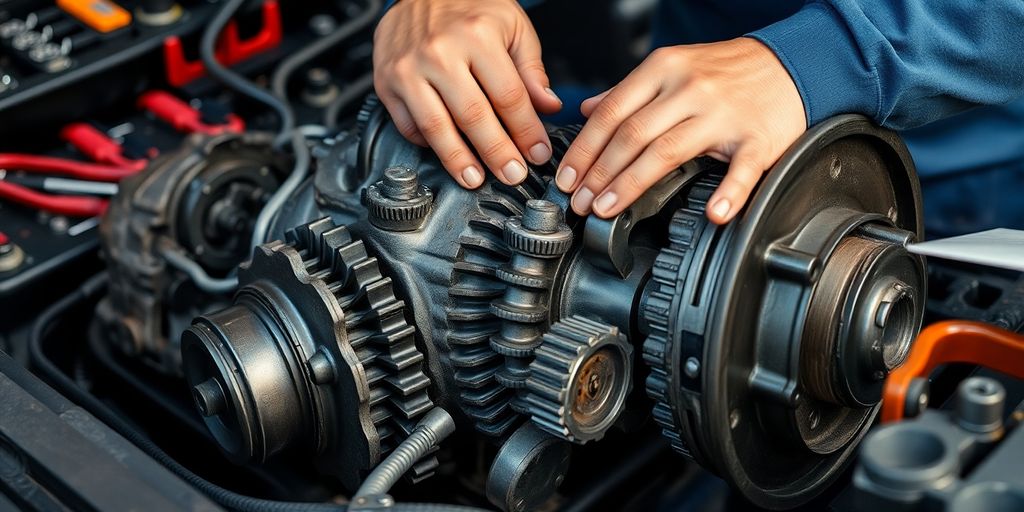
Labor is a big part of what you’ll pay for mobile transmission repair. It’s not just about the time spent wrenching; it includes the mechanic’s expertise, travel time, and the convenience of them coming to you. Rates can vary quite a bit depending on where you live and the mechanic’s experience. Don’t be afraid to ask for a detailed breakdown of the labor charges so you know exactly what you’re paying for. It’s also a good idea to get a few quotes from different mobile transmission specialists to compare.
Parts and Materials
The cost of parts can really swing the total bill. Transmission components aren’t cheap, and the price can change based on the make and model of your car, and whether you opt for new, used, or rebuilt parts. Obviously, new parts will cost more upfront but often come with a warranty, giving you some peace of mind. Used or rebuilt parts might save you money initially, but they could lead to problems down the road. Make sure you discuss these options with your mechanic and understand the pros and cons of each.
Warranty Considerations
A warranty can be a lifesaver when it comes to transmission repairs. It protects you if something goes wrong after the repair is done.
Here’s what to consider:
- Length of Warranty: How long does the warranty last? A longer warranty usually means better protection.
- Coverage: What exactly does the warranty cover? Does it include parts, labor, or both?
- Terms and Conditions: Are there any specific requirements to keep the warranty valid, like regular maintenance? Read the fine print!
Getting a clear understanding of the warranty is super important. It can save you a lot of money and headaches if something unexpected happens after the repair. Don’t hesitate to ask your mechanic to explain the warranty in detail before you agree to anything.
Preventive Maintenance for Your Transmission
Regular Fluid Checks
Okay, so, checking your transmission fluid regularly is super important. It’s like checking the oil in your engine – you wouldn’t skip that, right? The fluid keeps everything lubricated and running smoothly. Find that dipstick (your owner’s manual will show you where it is if you’re not sure) and give it a look-see every month or so. Make sure the level is good and the fluid looks clean, not dark or burnt. If it’s looking rough, it’s time for a change. Keeping an eye on your transmission fluid levels can save you from big problems down the road.
Scheduled Maintenance
Don’t skip those scheduled maintenance appointments! I know, they can be a pain, but they’re worth it. Your mechanic will check all sorts of things, including your transmission. They’ll catch small issues before they turn into major headaches. Think of it like going to the doctor for a check-up – you’re preventing bigger problems later on. Plus, they’ll make sure your transmission fluid is changed at the right intervals. It’s all about keeping things running like new.
Driving Habits to Avoid
How you drive can seriously impact your transmission. Stop-and-go traffic, towing heavy loads, and aggressive acceleration can all put a strain on it. Try to drive smoothly and avoid unnecessary stress on the system. If you’re towing something, make sure you’re using the right gear and not overdoing it. And please, no drag racing! Treat your transmission with respect, and it’ll last a lot longer. Smooth driving is key to transmission longevity.
Driving habits really do matter. Avoid harsh acceleration and braking, and try to maintain a steady speed whenever possible. This will reduce the stress on your transmission and help it last longer.
Here’s a quick list of things to avoid:
- Rapid acceleration
- Hard braking
- Towing beyond your vehicle’s capacity
- Ignoring warning signs
Taking care of your car’s transmission is super important! Regular checks can help catch problems early, saving you time and money in the long run. Make sure to keep an eye on the fluid levels and get your transmission serviced as recommended. For more tips and to schedule your maintenance, visit our website today!
Wrapping It Up
So, there you have it. Mobile transmission repair isn’t just about fixing things when they break; it’s about keeping your ride running smoothly for the long haul. Regular maintenance, like checking fluid levels and staying on top of any weird noises, can save you a lot of headaches down the road. And when you need help, finding a trustworthy mobile mechanic can make all the difference. They can come to you, which is super convenient. Just remember to do your homework—check reviews, ask around, and make sure they know their stuff. With the right care and a reliable mechanic, your transmission can keep you cruising without a hitch.
Frequently Asked Questions
What is mobile transmission repair?
Mobile transmission repair means a mechanic comes to your location to fix your car’s transmission instead of you driving to a shop.
What are common problems that require transmission repair?
Common issues include slipping gears, strange noises, and fluid leaks.
Why should I choose mobile transmission repair services?
Mobile services are convenient because they come to you, saving you time and hassle.
How can I tell if my transmission needs repair?
Look for signs like unusual sounds, gears slipping, or puddles of fluid under your car.
What should I consider when choosing a mobile repair service?
Check their experience, read customer reviews, and make sure they have the right certifications.
How can I maintain my transmission to avoid repairs?
Regularly check your transmission fluid, keep up with scheduled maintenance, and avoid harsh driving habits.