Being a mobile mechanic means being ready for anything, anywhere. You never know what situation you’ll find yourself in, so having the right tools is a game changer. Whether you’re fixing a car on a busy street or in a quiet driveway, these tools can make your life easier and your work faster. Let’s dig into the must-have mobile mechanic tools that every on-the-go technician should have in their toolbox.
Key Takeaways
- Quality tools save time and effort, making repairs more efficient.
- Diagnostic tools like scan tools and multimeters are vital for identifying issues quickly.
- Safety equipment and good lighting are non-negotiable for safe and effective work.
- Fluid management tools keep your workspace clean and help in performing precise maintenance.
- Organizing your tools well can save you time and keep your workspace tidy.
Understanding the Basics of Mobile Mechanic Tools
Importance of Quality Tools
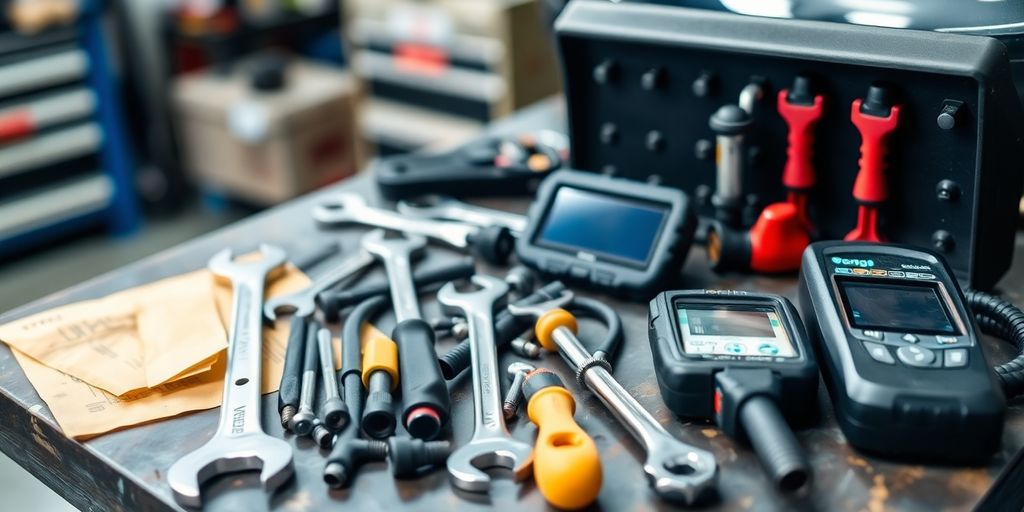
When you’re a mobile mechanic, the tools you carry are your lifeline. Imagine being called out to fix a car and realizing you don’t have the right tool—it’s a nightmare. Quality tools are not just a luxury; they’re a necessity. They let you work faster, handle a broader range of repairs, and show clients you’re serious about your work. Plus, they last longer, saving you money in the long run. Investing in good tools is like investing in your reputation.
Essential Hand Tools
Every mobile mechanic needs a solid set of hand tools. These are your go-to for most jobs and include items like screwdrivers, pliers, and wrenches. Here’s a quick list of essentials:
- Socket Set: A versatile tool for tightening and loosening bolts. Look for sets that include both metric and standard sizes.
- Wrench Set: Sometimes a socket just won’t fit, and you’ll need a trusty wrench.
- Pliers: From cutting wires to gripping small parts, a good set of pliers can be a lifesaver.
Power Tools for Efficiency
If you want to save time and effort, power tools are your best friends. They help you complete jobs quicker and with less physical strain. Consider these must-haves:
- Cordless Drill: Perfect for drilling holes and driving screws without the hassle of cords.
- Impact Wrench: Ideal for loosening stubborn bolts and nuts.
- Angle Grinder: Great for cutting and grinding metal parts.
Having the right power tools can transform a tough job into a manageable task. It’s all about working smarter, not harder.
Diagnostic Tools Every Mobile Mechanic Should Have
Using a Scan Tool Effectively
Every mobile mechanic knows the importance of having a reliable scan tool in their arsenal. These devices are like a mechanic’s best friend, helping to decode the mysterious language of modern cars. OBD-II scanners are essential tools for monitoring a vehicle’s vital systems, offering insights into warning lights and diagnostic trouble codes. They help users understand vehicle performance and identify issues, making them valuable for both casual drivers and automotive enthusiasts. When choosing a scan tool, make sure it supports OBD-II, provides live data streaming, and receives regular software updates to keep up with new vehicle models.
The Role of Multimeters in Diagnostics
When electrical problems arise, a multimeter becomes the detective’s magnifying glass. It’s indispensable for measuring voltage, resistance, and continuity. A good multimeter can even measure current without breaking the circuit if it has a built-in amp clamp. These features make it easier to track down electrical gremlins that can plague vehicles.
Compression Testers for Engine Health
A compression tester is your go-to tool for checking the internal health of an engine without having to take it apart. It’s a lifesaver for diagnosing issues like worn piston rings, leaky valves, or a blown head gasket. Make sure to get a set with adapters for different spark plug sizes, so you’re ready for any job. A quick compression test can save you hours of disassembly and reassembly, making it a must-have for any mobile mechanic.
Safety and Lighting: Key Considerations for Mobile Mechanics
Choosing the Right Work Light
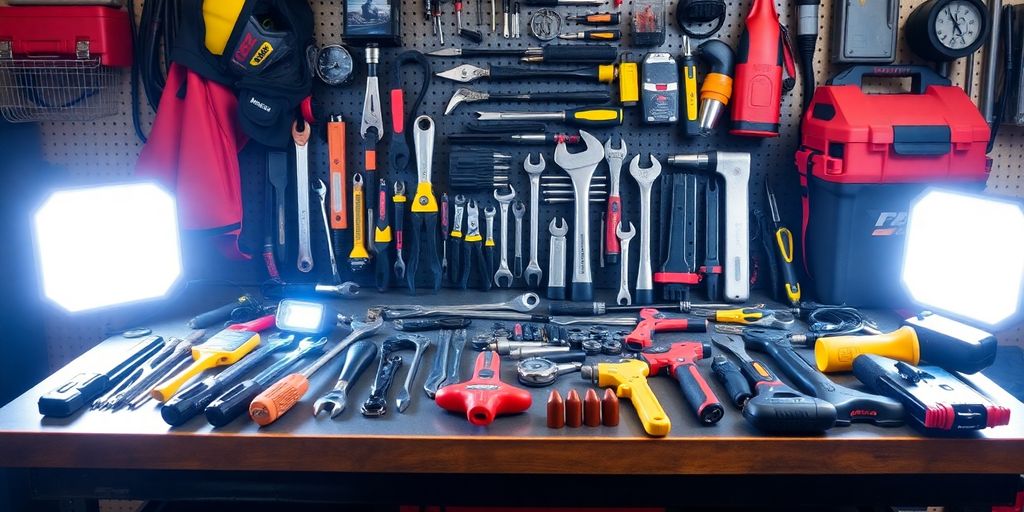
When you’re out on the road fixing cars, having the right lighting can make all the difference. Good lighting helps you see clearly, ensuring you don’t miss any details. A strong handheld flashlight with at least 500 lumens is a must. Rechargeable work lights with adjustable stands are also great for illuminating larger areas. And don’t forget about headlamps—they’re perfect for hands-free work. Once, I tried using my phone’s flashlight to find a problem under a car. Big mistake. I learned quickly that proper lighting is worth every penny.
Safety Gear Essentials
Safety gear isn’t just for show. It’s a real lifesaver. You need to have gloves to protect your hands from cuts and burns, and goggles to keep your eyes safe from flying debris. Ear protection is also important when you’re working with loud tools. And, of course, a sturdy pair of boots will protect your feet from heavy objects and slippery surfaces.
Importance of Wheel Chocks
If you’re working on a vehicle, you can’t overlook wheel chocks. They’re essential for keeping cars from rolling away when you’re working underneath. Wheel chocks are simple but effective. Just place them behind the wheels, and they keep the vehicle steady. It’s a small step that can prevent big accidents. Always double-check that they’re in place before you get started.
Fluid Management Tools for Mobile Mechanics
Oil Change Kits and Their Components
Oil changes are a staple for any mobile mechanic. Having a reliable oil change kit is crucial to getting the job done efficiently. These kits typically include a drain pan, a funnel set, and an oil filter wrench. The drain pan should be large enough to handle oil from bigger vehicles, usually around 16 quarts. A funnel set ensures you refill without spills, keeping your workspace tidy. And don’t forget the oil filter wrench; having both strap and cup styles can make your life a lot easier when dealing with stubborn filters.
Fluid Transfer Pumps for Clean Work
When you’re dealing with fluid changes, a fluid transfer pump is your best friend. It makes moving fluids like coolant, power steering fluid, or even differential oil a breeze. Look for pumps that offer both manual and electric options depending on the job’s demands. Having different sized tubes can help with various applications, and an easy-to-clean design is a bonus. Trust me, your back will thank you after a long day of work.
Coolant System Testers for Leak Detection
Coolant system issues can be sneaky and hard to pin down. That’s where a coolant system tester comes in handy. These testers help you find leaks in hoses, radiators, and water pumps. They can also test the pressure of radiator caps and assist in refilling and bleeding cooling systems. A good pressure tester is invaluable for ensuring your customer’s vehicle stays cool under pressure.
As a mobile mechanic, having the right tools can turn a daunting task into a manageable one. With the right fluid management tools, you can provide efficient and thorough service, keeping your clients happy and their vehicles running smoothly.
Incorporating these fluid management tools into your setup not only enhances your service efficiency but also boosts your credibility as a professional mobile mechanic. Whether it’s an oil change or a coolant system check, having the right equipment makes all the difference.
Battery and Electrical Tools for On-the-Go Repairs
Portable Jump Starters and Their Uses
When you’re out on the road, a dead battery can be a major headache. That’s where portable jump starters come in handy. These compact devices can jump-start a vehicle without needing another car. They’re a lifesaver, especially when you’re working solo or in remote areas. Most portable jump starters are easy to use, with clear indicators and even built-in flashlights for night-time emergencies. They’re also versatile, often doubling as power banks for charging phones and other gadgets. When choosing one, make sure it has enough power to start the vehicles you typically service.
Battery Testers for Accurate Diagnostics
A reliable battery tester is essential for any mobile mechanic. These tools help you quickly assess the health of a battery, checking its voltage and capacity. With a good battery tester, you can diagnose issues like weak cells or poor connections in minutes. This tool is especially useful in the winter months when batteries are more likely to fail. Look for a tester that’s easy to use and provides clear, readable results. Some advanced models even offer printouts or digital records, which can be handy for showing customers exactly what’s wrong.
Cordless Impact Wrenches for Quick Fixes
For those stubborn bolts and quick tire changes, a cordless impact wrench is your best friend. These tools pack a punch, delivering high torque without the hassle of cords or air hoses. They’re perfect for jobs where speed is crucial. When picking an impact wrench, consider the battery life and charging time. A tool with multiple batteries can keep you working all day without downtime. Plus, having a set with different socket sizes can make you ready for any challenge. Just remember not to over-torque those lug nuts, which could lead to bigger problems down the road.
Being prepared with the right tools can transform a potential roadside disaster into a simple fix, keeping your customers happy and your reputation strong.
Consider investing in a comprehensive 266-piece toolkit for all your car maintenance needs. This set includes everything from sockets to ratchets, ensuring you’re equipped for any situation.
Organizing Your Mobile Mechanic Toolbox
Choosing the Right Toolbox
When you’re out on the road, having a well-organized toolbox can make or break your day. Picking the right toolbox is crucial. You want something sturdy and weather-resistant, especially if you’re working outside a lot. Look for boxes that have multiple compartments which make it easier to keep everything in its place. A lockable box can also add an extra layer of security, so your tools don’t walk away when you’re not looking.
Organizational Tips for Efficiency
Keeping your tools organized isn’t just about neatness—it’s about efficiency. Here are a few tips to help you keep your toolbox in order:
- Categorize your tools. Group similar tools together so you know exactly where to look when you need something.
- Use tool trays or foam inserts to keep tools from rattling around and getting damaged.
- Label compartments if your toolbox has them. It might seem like overkill, but it saves time when you’re in a rush.
Security Features to Consider
Tool theft is a real concern for mobile mechanics. Investing in a toolbox with security features can save you a lot of headaches down the road. Consider getting a box with a built-in lock or one that can be easily secured to your vehicle. Some toolboxes even come with GPS tracking, so if the worst happens, you might still have a chance to recover your gear.
Being organized isn’t just about keeping things tidy; it’s about making your life easier and your work more efficient. With the right setup, you’ll spend less time searching for tools and more time getting the job done.
For more on managing the costs of your mobile mechanic setup, including tools and other expenses, check out this guide on the costs associated with mobile mechanic services.
Software and Apps to Enhance Mobile Mechanic Services
In the fast-paced world of mobile mechanics, staying organized and efficient is key. Software and apps have revolutionized how mechanics operate, offering tools that streamline everything from diagnostics to customer management.
Diagnostic Software for Modern Vehicles
Today’s vehicles are packed with technology, and diagnosing issues requires more than just a keen ear and a toolbox. Mobile mechanics now rely on diagnostic software to quickly identify problems. These tools connect to the vehicle’s onboard computer, reading error codes and providing insight into what might be wrong. Apps like Torque Pro and other top mobile apps offer real-time data and are crucial for any mobile mechanic looking to provide accurate and efficient service.
CRM Tools for Customer Management
Managing customer relationships is just as important as fixing cars. CRM (Customer Relationship Management) tools help mobile mechanics keep track of client interactions, service history, and follow-ups. This not only improves customer satisfaction but also helps in building a loyal client base. With CRM apps, you can schedule appointments, send reminders, and even manage billing, all from your smartphone.
Inventory Management Solutions
Keeping track of parts and tools can be a logistical nightmare without the right system in place. Inventory management apps allow mobile mechanics to monitor stock levels, order new parts, and ensure they have everything needed for a job. This means fewer delays and more satisfied customers. By using these apps, mechanics can focus more on repairs and less on administrative tasks.
In the world of mobile mechanics, having the right software tools is as important as having the right wrenches. These digital solutions not only improve efficiency but also enhance the overall customer experience, making them indispensable in any modern mechanic’s toolkit.
If you’re a mobile mechanic looking to improve your services, there are many software and apps that can help you work smarter. These tools can assist with scheduling, customer management, and even diagnostics, making your job easier and more efficient. Don’t miss out on the chance to enhance your business! Visit our website to learn more about how we can support your mobile mechanic services today!
Conclusion
So there you have it, folks. Being a mobile mechanic isn’t just about knowing your way around a car; it’s about having the right tools to get the job done wherever you are. From socket sets to scan tools, each piece of equipment plays a crucial role in making sure you can tackle any challenge that comes your way. Remember, it’s not just about the tools themselves but how you use them. Keep them organized, maintain them well, and they’ll serve you for years to come. And don’t forget, your skills and experience are just as important as any tool in your kit. Keep learning, stay curious, and you’ll be ready for whatever the road throws at you. Happy fixing!
Frequently Asked Questions
What tools are essential for a mobile mechanic?
Start with basic tools like sockets, wrenches, and a jack. Add specialized tools as you expand your services.
How much should I spend on tools for my mobile mechanic business?
Expect to invest between $2,000 and $5,000 for a good starter set. Quality tools are an investment in your business.
Are battery-powered tools reliable for mobile mechanics?
Yes, modern battery technology has improved greatly, and many professionals rely on cordless tools.
How often should tools be replaced?
With proper care, quality tools can last for years. Replace them when they show signs of wear or damage.
Can I use my personal vehicle to carry all my tools?
While it’s possible, using a dedicated work van or truck is more practical and looks more professional.
How do I keep my tools organized while on the go?
Invest in a good toolbox with compartments and consider using foam inserts to keep everything in place.