Getting stuck with car trouble is never fun, especially when it happens unexpectedly and you’re far from a repair shop. While calling for professional help is often the best route, knowing a bit about emergency car repair at home can make a big difference. It’s all about being prepared. Having the right gear and knowing what to do can turn a stressful situation into a manageable one. Let’s look at what you need to have on hand and how to get ready for those moments when your car decides to act up.
Key Takeaways
- Keep a well-stocked emergency kit in your car with items like a first-aid kit, basic tools, and signaling equipment for any roadside issue.
- Prepare for unexpected situations by having communication tools, water, snacks, and weather-appropriate gear ready.
- A good emergency kit should include tire repair tools, a power source for your phone, and multi-purpose items for safety.
- Understand your vehicle by keeping the owner’s manual handy and knowing what your dashboard warning lights mean.
- You can buy pre-made kits from auto stores, online, or even ask local repair shops for advice on what to include for effective emergency car repair at home.
Essential Items for Emergency Car Repair at Home
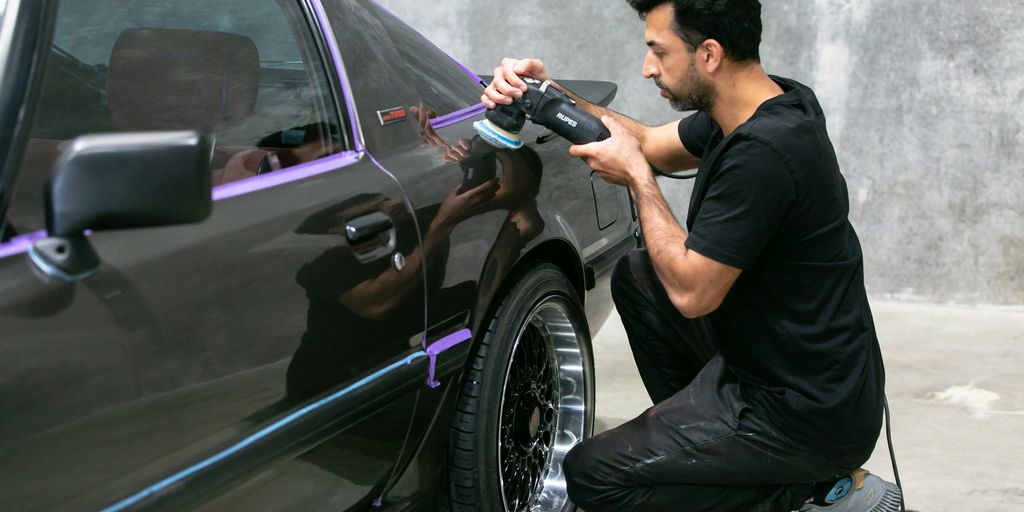
When you’re facing a car issue at home, having the right supplies on hand can make a big difference. It’s not about being a master mechanic, but about having the basics to handle common problems or at least make your car safe until professional help arrives. Think of it as a home first-aid kit, but for your vehicle.
First Aid Supplies
Even if you’re just tinkering in your driveway, accidents happen. A basic first-aid kit is a must. You don’t need a massive one, just the essentials. This includes adhesive bandages in various sizes, sterile gauze pads, antiseptic wipes for cleaning wounds, and maybe some pain relievers. Tweezers are handy for removing splinters, and a small first-aid manual can be a lifesaver if you’re unsure what to do. It’s always better to be prepared for minor cuts and scrapes.
Basic Tools and Repair Items
This is where you start building your roadside toolkit. You’ll want a set of screwdrivers, both flathead and Phillips, as they’re used for a surprising number of things. Pliers and an adjustable wrench are also good to have. A reliable multi-tool can often substitute for several individual tools, making it a space-saver. Don’t forget a tire pressure gauge to check your tires regularly, and a roll of duct tape – seriously, this stuff can fix almost anything temporarily. Jumper cables are also a must-have for those times your battery decides to take a nap. You can find complete roadside assistance kits that bundle many of these items together.
Visibility and Signaling Equipment
If your car breaks down, especially near a road, making sure other drivers see you is paramount. Reflective warning triangles or road flares are excellent for this. You place them a safe distance behind your vehicle to alert oncoming traffic. A high-visibility vest is also a smart addition, especially if you need to get out of the car in low light. And of course, a reliable flashlight with extra batteries is indispensable for working in the dark or signaling for help. A simple crank-powered flashlight is a great backup that doesn’t rely on batteries.
Having these items readily available means you’re not caught completely off guard. It allows you to address minor issues or at least make your situation safer while you wait for assistance.
Preparing for Unexpected Roadside Situations
Being ready for the unexpected when you’re out on the road is a smart move. It’s not about expecting the worst, but about being prepared so you can handle things if they go wrong. Think of it like having a good umbrella – you hope it doesn’t rain, but you’re glad you have it if it does.
Communication and Navigation Aids
Keeping in touch and knowing where you are is pretty important if your car decides to take an unscheduled break. A dead phone battery can leave you feeling pretty isolated. Make sure you have a car charger or a portable power bank that’s fully charged. It’s also a good idea to have a physical map or a compass, just in case your phone’s GPS decides to quit or you’re in an area with no signal. Having a way to contact help or figure out your location can make a big difference.
Hydration and Nutrition
If you get stuck for a while, having some water and snacks is a good idea. You don’t need a week’s worth of food, but a few bottles of water and some non-perishable snacks like granola bars or trail mix can be a lifesaver. It’s easy to forget about this, but staying hydrated and having a little something to eat can keep your energy up and your spirits from dipping too low while you wait for assistance.
Weather-Specific Preparedness
Your location and the time of year really matter when you’re thinking about what to pack. If you live somewhere that gets cold, you’ll want to include extra blankets, warm clothing, and maybe even hand warmers. For areas with snow or ice, a small shovel and some sand or salt can help you get unstuck. It’s all about tailoring your kit to the conditions you’re most likely to face. Being prepared for the weather means you can stay more comfortable and safe, no matter what happens.
Key Components of a Comprehensive Emergency Kit
When you’re out on the road, it’s easy to forget that cars can break down or have issues unexpectedly. Having a good emergency kit is like having a backup plan for your car. It’s not just about fixing things; it’s about staying safe and comfortable until help arrives or you can sort it out yourself.
Tire Repair and Inflation Tools
Dealing with a flat tire is one of the most common roadside problems. You don’t want to be stuck waiting for a tow truck if you can avoid it. A basic kit should include a reliable tire pressure gauge to check your tires regularly, which can prevent blowouts. You’ll also want a tire repair kit, which might be a simple sealant or a more involved plug kit. Don’t forget a portable air compressor; these little gadgets can reinflate a tire enough to get you to a service station. Having these items means you can often handle a flat yourself, saving you time and hassle. It’s always a good idea to know how to use them before you actually need them, though!
Power Sources for Devices
In today’s world, your phone is your lifeline. If your car battery dies, or you’re stranded for a while, you need a way to keep your phone charged so you can call for help or let someone know where you are. A portable power bank, also known as an external battery pack, is a lifesaver. Make sure it’s fully charged before you head out. A car charger that plugs into your car’s accessory outlet is also a good idea, but it won’t do much if the car battery is dead. Having a way to keep your devices powered up is pretty important for staying connected and safe.
Multi-Purpose Tools and Fire Safety
Beyond specific repairs, a few general-purpose items can be incredibly useful. A good multi-tool, like a Leatherman or a Swiss Army knife, can handle a surprising number of small tasks, from tightening a loose screw to cutting something. It’s amazing how often you’ll find a use for one. On the safety side, a small, portable fire extinguisher is a smart addition. While car fires aren’t super common, they can happen, and having a way to put out a small fire quickly could prevent a much bigger disaster. It’s one of those things you hope you never have to use, but you’ll be really glad you have it if you do.
Having these items ready means you’re not just hoping for the best; you’re prepared for a lot of the common issues that can leave you stranded. It’s about being self-sufficient and safe.
Understanding Your Vehicle’s Needs
Knowing your car inside and out is a big help when something goes wrong. It’s not about being a master mechanic, but just having a basic idea of how things work can save you a lot of trouble.
Consulting Your Owner’s Manual
Think of your owner’s manual as your car’s personal diary. It’s packed with information specific to your make and model. This book is your first stop for understanding what your car needs and how to handle common issues. It tells you what kind of oil to use, how to check your tire pressure, and even what those little lights on your dashboard actually mean. If you don’t have yours, you can usually get a replacement from the dealership or find a digital version online. It’s a surprisingly useful tool for everyday maintenance and emergency fixes.
Recognizing Dashboard Warning Lights
Those little symbols that pop up on your dashboard aren’t just for decoration. They’re your car’s way of talking to you. Some are minor, like a reminder for a scheduled service, while others signal a more serious problem that needs immediate attention.
Here are a few common ones:
- Oil Pressure Light: Usually looks like an old-fashioned oil can. If this comes on, stop driving as soon as it’s safe. Low oil pressure can cause major engine damage.
- Battery Light: Often shaped like a battery. This means there might be an issue with your car’s charging system, like a failing alternator.
- Check Engine Light: This can mean a lot of things, from a loose gas cap to a more complex engine problem. It’s worth getting checked out.
- Brake Warning Light: Typically looks like a circle with an exclamation mark inside or the word "BRAKE." This could indicate low brake fluid or a problem with the braking system itself. Don’t ignore this one.
Understanding these lights can help you decide if you can drive to a repair shop or if you need to pull over immediately and call for assistance. It’s better to be informed than to guess.
Ensuring Proper Fluid Levels
Cars need various fluids to run smoothly, and low levels can cause big problems. Checking these regularly is a simple but important part of car care.
- Engine Oil: Crucial for lubricating moving parts. Check the dipstick when the engine is cool.
- Coolant (Antifreeze): Keeps your engine from overheating. Check the reservoir when the engine is cool.
- Brake Fluid: Necessary for your brakes to work. Check the level in its reservoir.
- Windshield Washer Fluid: Keeps your windshield clear. Easy to top off.
Keeping these fluids at the right levels, using the type recommended in your owner’s manual, can prevent many roadside issues before they even start.
Where to Acquire Emergency Car Repair Supplies
So, you’ve decided to get your car ready for those unexpected roadside moments. That’s smart thinking! Now, where do you actually get all the stuff you need? It’s not like you can just pop into any old store and find a perfectly curated emergency car repair kit. But don’t worry, it’s usually pretty straightforward.
Automotive Retailers and Specialty Stores
Your local auto parts stores are probably your best bet for most of the items. Think places like AutoZone, Advance Auto Parts, or O’Reilly Auto Parts. They’ll have everything from jumper cables and tire inflators to basic tool sets and first-aid kits specifically for cars. They also often have knowledgeable staff who can point you toward the right products if you’re not sure what you need. It’s a good idea to check out their selection for things like wiper fluid and coolant too, just to keep your car running smoothly day-to-day.
Online Marketplaces and Convenience
If you prefer shopping from your couch, online retailers are a fantastic option. Amazon, for example, has an enormous selection of car emergency supplies. You can find complete kits, individual tools, and specialized items all in one place. Plus, you can often read reviews from other buyers to help you decide. Just be mindful of shipping times, especially if you need something quickly. For quick, last-minute needs, some general online stores might also carry basic items like flashlights or batteries.
Local Auto Repair Shops for Guidance
While you might not buy all your supplies directly from a mechanic, they can be a great resource for advice. If you’re unsure about what specific tools or repair items are best for your make and model, a quick chat with your trusted mechanic can provide some clarity. They might even have recommendations for specific brands or types of equipment. Some shops might also sell a few common emergency items, though their selection will likely be limited compared to dedicated auto parts stores. Remember, getting reliable help when you’re stranded is key, and knowing where to turn for service is part of that preparedness. You can find local services through online searches or by asking friends for recommendations.
Having the right supplies is only half the battle; knowing how to use them is the other. Consider taking a basic car maintenance class or watching some reliable online tutorials to familiarize yourself with common roadside fixes.
The Benefits of Proactive Emergency Preparedness

Thinking ahead about what you might need if your car breaks down or you run into trouble on the road might seem like a hassle, but honestly, it’s a really smart move. It’s not about expecting the worst, but about being ready for the unexpected. When you’ve got a good emergency kit and you know how to use it, you’re not just saving yourself potential headaches; you’re also looking out for anyone else who might be with you.
Gaining Peace of Mind on the Road
Honestly, one of the biggest wins from getting your car ready for emergencies is just feeling more relaxed when you drive. You know that if you get a flat tire or the battery dies, you’ve got the stuff to deal with it. It’s like having a safety net. This feeling of security means less stress, especially on longer trips or when you’re driving in less-than-ideal weather. You can just focus on the road instead of worrying about what might happen.
Achieving Time and Financial Savings
Let’s face it, nobody wants to be stuck waiting for a tow truck for hours, or paying a mechanic for something you could have handled yourself with the right tools. Having a basic kit means you can often fix small problems quickly. Changing a tire yourself, for example, gets you back on your way much faster than waiting for help. This also means you’re not paying for services you might not really need, saving you money in the long run. It’s a good idea to check out automotive retailers for pre-made kits or individual items.
Enhancing Personal and Passenger Safety
This is probably the most important part. If you break down, especially at night or on a busy road, being visible is key. Things like reflective triangles or flares can alert other drivers to your presence, preventing further accidents. And if someone gets hurt, even a little, having a first-aid kit means you can provide immediate care. It’s about being able to help yourself and others until professional help arrives. Having these items ready can make a huge difference in a bad situation.
Here’s a quick rundown of why being prepared is so worthwhile:
- Reduced Stress: Drive with confidence, knowing you’re equipped.
- Quicker Resolutions: Handle minor issues yourself and get moving again.
- Cost Avoidance: Skip expensive towing or emergency service fees for simple fixes.
- Improved Safety: Protect yourself and passengers from further harm.
- Ability to Help Others: Be in a position to assist fellow stranded motorists.
Being prepared isn’t about being fearful; it’s about being smart and responsible. A little effort now can prevent a lot of trouble later, making your journeys safer and more predictable.
Being ready for emergencies is super important. It means having a plan and the right stuff ready before something bad happens. This way, you can keep yourself and your loved ones safe and handle problems much better. Want to learn more about how to get prepared? Visit our website today to find out how easy it is to get started!
Stay Prepared, Stay Safe
So, dealing with car trouble at home can be a real headache, but being ready makes a big difference. Having a basic kit with things like jumper cables, a first-aid kit, and maybe some water and snacks can really help out when you’re stuck. It’s not about being a mechanic, it’s just about having the right stuff on hand. Think of it like packing for a trip – a little preparation goes a long way. Keep these tips in mind, and you’ll feel a lot more confident the next time your car decides to act up.
Frequently Asked Questions
Why is it important to have an emergency car kit?
Having a good emergency kit in your car is super important! It means you’ll be ready for unexpected problems like a flat tire or a dead battery. It can help you stay safe and even save you time and money by letting you fix small issues yourself instead of waiting for help.
What are some must-have items for a car emergency kit?
You should definitely pack a first-aid kit with bandages, wipes, and pain relievers. Also, bring basic tools like screwdrivers and pliers, a flashlight with extra batteries, and jumper cables. Don’t forget things like water, snacks, a blanket, and a way to charge your phone.
Should I include weather-specific items in my kit?
Yes, it’s smart to include items for different weather. In cold weather, pack warm clothes, gloves, a hat, and maybe a small shovel and sand for traction. If it’s hot, extra water is key. A rain poncho is good for any wet weather.
Where can I get an emergency car kit or supplies?
You can buy pre-made kits at auto parts stores, big box stores like Walmart, or online shops like Amazon. Sometimes, outdoor gear stores have useful items too. You can also ask your local auto repair shop for advice on what to put in your own custom kit.
How can my car’s owner’s manual help me?
Your car’s owner’s manual is a treasure trove of information! It tells you how to do basic things like change a tire and explains what those little lights on your dashboard mean. It also lists the right kinds of fluids your car needs.
What do dashboard warning lights mean?
Knowing what your car’s warning lights mean is really helpful. For example, a light shaped like a battery means there might be a problem with the charging system, like a dead battery. A light that looks like a thermometer could mean your engine is overheating. Checking your manual will tell you exactly what each light is trying to tell you.