
Car trouble is something most of us dread. It always seems to happen at the worst time. Whether your car is old or new, breakdowns happen. Knowing the common causes can help you avoid them and keep your car running smoothly. Let’s dive into some typical reasons why cars break down and how you can prevent these issues.
Key Takeaways
- Engine troubles are often due to overheating or oil leaks. Regular checks can prevent these issues.
- A dead battery is a common cause of breakdowns. Replace your battery every three to four years.
- Tire problems like punctures or improper inflation can lead to breakdowns. Regularly check tire pressure and tread depth.
- Fuel system issues can stop your car in its tracks. Keep your fuel system clean and change filters regularly.
- Electrical system malfunctions can cause a variety of problems. Pay attention to warning lights and address issues quickly.
1. Engine Problems
Engine problems are one of the top reasons cars break down. These issues can pop up in any vehicle, but older cars tend to have more trouble because of wear and tear over time.
Common Engine Problems
- Overheating: Engines can overheat when their temperature rises above normal levels. This often happens due to a cooling system failure or low coolant levels. Keeping an eye on your temperature gauge and maintaining proper coolant levels is crucial.
- Oil Leaks: Oil leaks can cause severe engine damage if ignored. Regularly checking and changing your oil can help prevent this problem.
- Timing Belt Failure: The timing belt keeps the crankshaft and camshaft in sync. If it breaks, your engine might stop working completely.
Regular maintenance, like timely oil changes and coolant checks, can help prevent these issues. Pay attention to warning lights and strange noises to catch problems before they lead to a breakdown.
For convenient and hassle-free solutions, consider using a mobile mechanic service. Deerfield Beach Mobile Mechanic offers on-site car repair services, saving you the trip to the shop and ensuring quick, reliable fixes.
2. Battery Failures
When your car doesn’t start, it’s often the battery that’s to blame. Batteries are notorious for causing unexpected breakdowns, especially if they’re not maintained well. Here’s the lowdown on battery failures and how you can keep them at bay.
Common Signs of Battery Problems
- Dimming Headlights: If your headlights are looking a bit dim, it might be a sign that your battery is losing its charge.
- Slow Engine Crank: When your engine takes longer than usual to start, it’s often due to a faltering battery.
- Corroded Terminals: Check for white or greenish buildup around the battery terminals; this can prevent the battery from charging properly.
Prevention Tips
- Regular Testing: Get your battery tested regularly. This helps catch issues before they leave you stranded.
- Clean Terminals: Keep the battery terminals clean to avoid corrosion.
- Avoid Power Drains: Turn off lights and electronics when the engine is off to prevent unnecessary battery drain.
- Timely Replacement: Consider replacing your battery every three to four years to ensure reliability.
It’s a good practice to keep jumper cables in your car. You never know when you might need a jump-start, especially in colder weather.
For those looking for convenience, Deerfield Beach Mobile Mechanic offers on-site battery replacement and diagnostic services, ensuring you’re never left in a lurch.
3. Tire-Related Problems
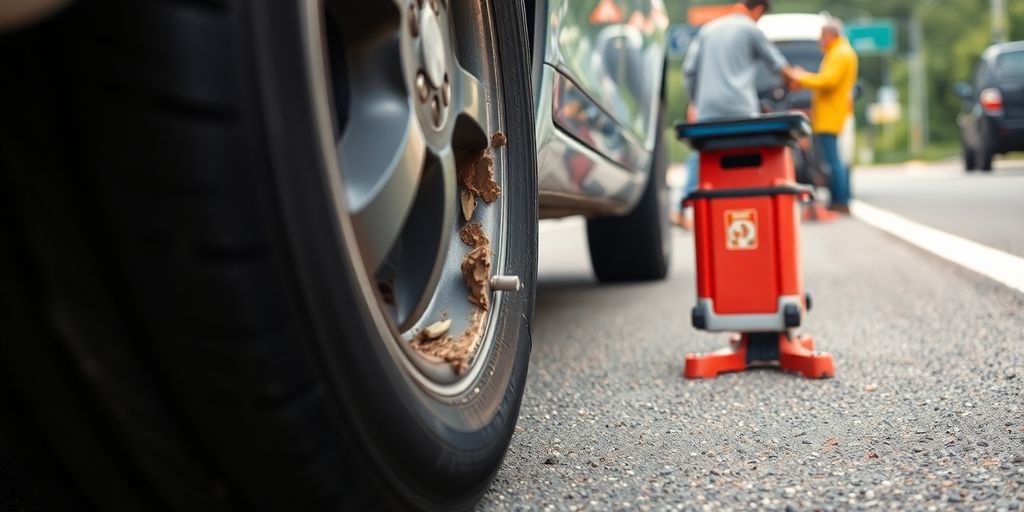
Tires are the unsung heroes of our vehicles, keeping us moving smoothly and safely. But when they go wrong, they can lead to serious issues. Here’s a look at common tire-related problems and how to prevent them.
Common Tire Issues
- Punctures and Blowouts: Sharp objects or worn-out tires can cause punctures, leading to blowouts.
- Improper Inflation: Under-inflated or over-inflated tires can wear unevenly and lead to blowouts.
- Alignment Issues: Poor alignment can cause uneven tire wear, affecting vehicle handling.
Prevention Tips
Regularly checking tire pressure and tread depth, rotating your tires, and ensuring they are aligned properly can prevent most tire-related breakdowns. To prevent tire blowouts, it’s essential to regularly rotate tires, check tread depth, and replace them when worn.
Regular tire maintenance isn’t just about inflating them now and then. It’s about safety. Proper inflation, alignment, and tread depth are key to avoiding unexpected and dangerous situations on the road.
Uneven Tire Wear
Uneven tire wear is often caused by improper inflation, misalignment, or suspension issues. When your tires aren’t inflated to the correct pressure, certain areas of the tire can wear down faster. Misalignment of wheels also contributes to this problem, leading to rapid wear on one side of the tire.
Regularly inspecting your tires for uneven wear patterns and maintaining the recommended pressure can help prevent these issues. If you notice wear on one edge of a tire, it’s a sign to have the alignment checked. Regular rotation of tires, roughly every 10,000 kilometers, keeps the wear even across all tires.
Tire Punctures
Punctures are a nuisance that can leave you stranded if not addressed promptly. Common causes include road debris like nails or sharp stones, which pierce the tire tread. Regular inspection for embedded objects and removing them can prevent most punctures.
Carrying a puncture repair kit in the vehicle can be a practical solution for minor punctures. It’s vital that you have your punctured tire professionally repaired or replaced if the damage is severe. Ensuring that your spare tire is in good condition with correct pressure is crucial for emergencies.
Wheel Alignment
Proper wheel alignment is crucial for safe vehicle operation and optimal tire wear. Misaligned wheels can cause your vehicle to pull to one side and lead to uneven tire wear, affecting handling and fuel efficiency. Causes of misalignment include driving over potholes, hitting curbs, or even general wear and tear on steering and suspension components.
You should have your alignment checked annually or whenever you notice uneven tire wear or if the steering wheel doesn’t stay straight. Regular alignment checks can extend the life of tires and improve overall handling. Ensuring your vehicle’s wheels are correctly aligned contributes significantly to a smoother, safer driving experience.
4. Fuel System Issues
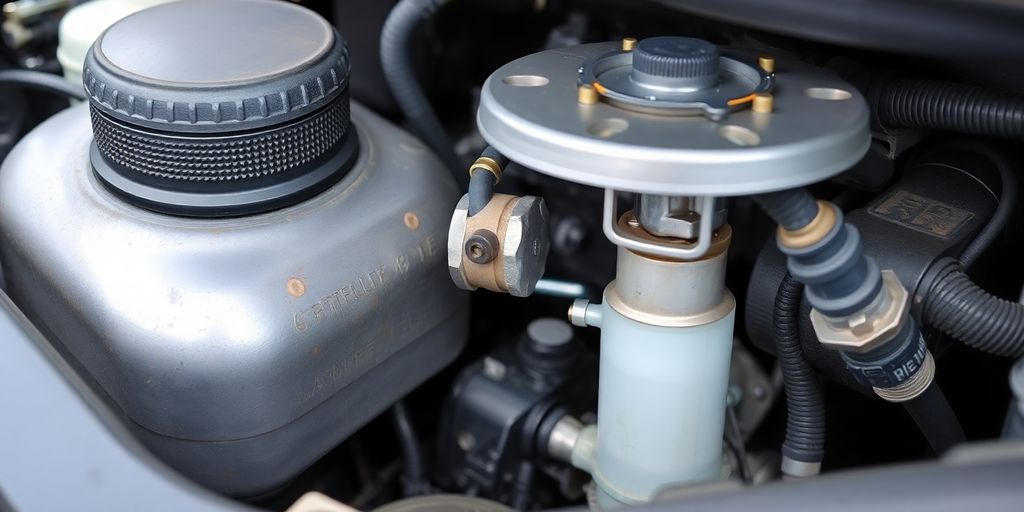
Fuel system issues can catch you off guard, leaving your vehicle stalled at the worst possible moment. These problems often stem from a few key culprits that, if not addressed, can lead to breakdowns and costly repairs.
Common Fuel System Problems
- Fuel Leaks: Leaks in the fuel system are not only dangerous but can also cause your car to stop running. If you ever smell gasoline inside or outside your vehicle, it’s crucial to investigate immediately.
- Clogged Fuel Filter: A clogged fuel filter can prevent fuel from reaching the engine efficiently, leading to poor performance or even engine stalling.
- Faulty Fuel Pump: The fuel pump is responsible for delivering fuel from the tank to the engine. If it fails, your engine won’t receive the necessary fuel to run.
Prevention Tips
- Regularly change the fuel filter to ensure a clean and efficient flow of fuel.
- Use high-quality fuel to keep the system clean and prevent deposits from forming.
- Address any signs of fuel leaks immediately to avoid more severe problems.
Keeping a close eye on your car’s fuel system can save you from unexpected breakdowns. Regular maintenance and attention to detail can keep your vehicle running smoothly and efficiently.
In places like Qatar, where fuel system issues are common, monitoring fuel levels and scheduling regular maintenance can help avoid blockages and keep your car in top shape.
5. Electrical System Malfunctions
Electrical issues in a vehicle can be a real headache, messing with both performance and safety. Let’s dive into some common culprits and how to keep them from ruining your day.
Common Electrical Problems
- Dead Battery: This is probably the most frequent electrical issue. Often caused by leaving lights on or not driving the car enough, a dead battery means your car won’t start. Frequent short trips and extreme temperatures can also shorten a battery’s life.
- Alternator Failure: The alternator keeps your battery charged. If it fails, your car will rely solely on the battery, which drains fast. Look out for dimming lights or a dashboard warning.
- Fuses and Wiring Issues: Fuses protect your car’s electrical circuits. A blown fuse can stop certain systems from working. Wiring problems, like corrosion or poor connections, can also lead to failures.
Prevention Tips
- Regular Battery Checks: Test your battery often and clean the terminals to prevent corrosion. If it’s over three years old, think about replacing it.
- Alternator Maintenance: Listen for strange noises or smells that might hint at alternator trouble. Catching these early can save you a lot of hassle.
- Inspect Wiring and Fuses: Regularly check your car’s wiring and fuses. Fix any issues promptly to avoid bigger problems.
"Electrical system malfunctions can be a major inconvenience, but with regular checks and timely repairs, you can keep your car running smoothly."
If you’re ever in a bind with electrical issues, mobile mechanics can come to you, saving you the hassle of a tow and getting you back on the road quickly.
6. Overheating
Engine overheating is a common car problem that can lead to serious damage if not addressed promptly. The main culprits include low coolant levels, a faulty thermostat, or a malfunctioning radiator. When your car’s engine runs hotter than it should, it can warp components or, in the worst case, lead to complete engine failure.
Causes of Overheating
- Low Coolant Levels: Coolant is essential for keeping your engine at the right temperature. Without enough coolant, your engine can overheat quickly.
- Faulty Thermostat: A thermostat that doesn’t open can prevent coolant from flowing properly, causing the engine to overheat.
- Malfunctioning Radiator: A radiator that is clogged or leaking can’t cool the engine effectively.
Prevention Tips
- Regularly Check Coolant Levels: Make it a habit to check your coolant levels and top up as necessary.
- Inspect Radiator and Hoses: Look for leaks or cracks in the radiator and hoses, and replace any damaged parts.
- Monitor the Temperature Gauge: Keep an eye on the temperature gauge while driving. If it starts to rise, it’s a sign something might be wrong.
Keep your engine cool by maintaining proper coolant levels and regularly inspecting your cooling system. Ignoring overheating signs can lead to costly repairs or even total engine failure.
Remember, prevention is always better than repair. By taking these simple steps, you can avoid the headache and expense of dealing with an overheated engine.
7. Oil Leaks
Oil leaks are one of those pesky issues that can sneak up on you if you’re not paying attention. You might notice them by spotting little puddles underneath your car or realizing your oil levels are dropping faster than usual. Ignoring oil leaks can lead to serious engine damage because it means parts aren’t getting the lubrication they need.
Common Causes
- Worn-out gaskets: These are the seals that keep oil where it should be. Over time, they can wear out and start to leak.
- Faulty seals: Similar to gaskets, seals can degrade and allow oil to escape.
- Damaged oil pans: If your oil pan gets a crack or a hole, you’ll likely see oil leaking.
Prevention Tips
- Regular Inspections: Check under your car for any signs of oil spots. Catching leaks early can save you a lot of trouble.
- Maintain Oil Levels: Always keep an eye on your oil levels and top up as needed. Using the right type of oil can also help prevent leaks.
- Replace Worn Parts: If you notice any faulty gaskets or seals, get them replaced promptly.
Keeping your engine well-lubricated is essential for smooth operation. Regular checks and timely repairs can help you avoid bigger problems down the road.
For those who prefer convenience and expertise, Deerfield Beach Mobile Mechanic can provide reliable diagnostics and repairs right at your location, ensuring your vehicle remains in top condition.
8. Timing Belt Failure
The timing belt is like the unsung hero of your car’s engine. It keeps everything in sync, ensuring the crankshaft and camshaft turn at the right times. When it fails, though, you could be looking at a major engine disaster.
What Happens When It Fails?
- Engine Stops Working: If the timing belt snaps, the engine can stop dead. That’s because the pistons and valves aren’t moving in harmony anymore.
- Valve Damage: In some engines, a broken timing belt can cause the pistons to hit the valves, bending or even breaking them.
- Costly Repairs: Not only do you have to replace the belt, but you might also face additional repairs if other engine parts are damaged.
How to Prevent Timing Belt Failure
- Regular Inspections: Check your timing belt for wear and tear during routine maintenance. Look for cracks, fraying, or glazing.
- Follow Manufacturer’s Guidelines: Replace the timing belt according to your vehicle manufacturer’s schedule, often between 60,000 to 100,000 miles.
- Listen for Unusual Noises: A ticking sound from the engine could indicate a worn belt.
- Regular maintenance of timing system components, along with timely replacement of the timing belt, is essential to prevent failures, especially in cold weather.
"A broken timing belt doesn’t just stop your car; it can lead to serious engine damage. That’s why keeping up with maintenance is so important."
When to Seek Professional Help
- If you hear a ticking noise or notice any warning lights, get your car checked.
- If your car stalls suddenly, it could be a sign of a timing belt issue.
By keeping an eye on your timing belt and knowing the signs of trouble, you can avoid a lot of headaches and expenses down the road.
9. Clogged Fuel Injectors
Clogged fuel injectors can be a sneaky cause of car troubles. Fuel injectors are vital for delivering the right amount of fuel to your engine, ensuring it runs smoothly. When these injectors get clogged, the engine might not get enough fuel, leading to poor performance or even stalling.
Causes of Clogged Fuel Injectors
- Low-quality fuel: Using cheap or contaminated fuel can leave deposits in your injectors.
- Short trips: Regularly driving short distances without giving the engine a chance to fully warm up can contribute to buildup.
- Lack of maintenance: Skipping regular maintenance checks can allow dirt and debris to accumulate.
Symptoms of Clogged Fuel Injectors
- Rough idling or misfiring
- Poor fuel economy
- Difficulty starting the engine
Prevention Tips
- Use high-quality fuel and consider periodic fuel system cleaning. Regular maintenance is key to preventing injector problems.
- Pay attention to signs of dirty injectors and address them promptly.
- Consider using fuel additives designed to clean injectors as a preventive measure.
Keeping your fuel injectors clean is not just about performance; it’s about ensuring your car runs reliably. Regular maintenance, such as using high-quality fuel and periodic fuel system cleaning, is essential to prevent issues with fuel injectors. If there are signs of dirty or clogged injectors, it’s important to address the problem promptly.
By understanding the causes and symptoms of clogged fuel injectors, you can take proactive steps to keep your car running smoothly.
10. Faulty Sensors
Faulty sensors in cars can be a real pain, causing all sorts of unexpected issues. These tiny components are crucial for monitoring and managing various systems within your vehicle. When they fail, you might notice problems like poor fuel efficiency, reduced engine performance, or even a complete breakdown.
Common Sensor Issues
- Oxygen Sensor Malfunctions: The oxygen sensor plays a key role in measuring the amount of oxygen in your car’s exhaust gases. If it’s not working right, your engine might run inefficiently, wasting fuel and polluting more than it should.
- Mass Airflow Sensor Problems: This sensor checks the amount of air entering the engine, helping to adjust the fuel injection for optimal performance. A faulty mass airflow sensor can lead to poor acceleration and rough idling.
- Engine Knock Sensor Failures: This sensor detects knocking or pinging noises in the engine. If it’s not functioning, you might not realize there’s a problem until it’s too late.
Prevention Tips
- Regular Diagnostics: Get your car checked regularly by a professional to catch sensor issues early. Many mobile mechanics offer convenient services that can come to you.
- Keep an Eye on Warning Lights: Don’t ignore those dashboard lights. They’re there to alert you to potential problems, including sensor failures.
- Routine Maintenance: Stick to your car’s maintenance schedule to ensure all components, including sensors, are in good working order.
Sensors might be small, but they have a big job. Keeping them in check can save you from a lot of headaches down the road.
By understanding how sensors work and keeping up with regular maintenance, you can prevent many of the issues that lead to breakdowns. It’s all about being proactive and not waiting for a problem to arise before taking action.
Faulty sensors can cause big problems for your vehicle, leading to unexpected breakdowns and costly repairs. If you think your car’s sensors might be acting up, don’t wait! Visit our website for expert help and get your car back on track. We’re here to make car care easy and convenient for you!
Conclusion
So, there you have it, folks. Car breakdowns are just one of those things that can happen to anyone, anytime. Whether it’s an old clunker or a shiny new ride, no car is immune. But hey, the good news is, with a little bit of know-how and some regular TLC, you can keep your wheels rolling smoothly. Remember, regular check-ups, keeping an eye on those warning lights, and not ignoring weird noises can save you a lot of headaches down the road. And if all else fails, having a good breakdown cover is like having a trusty sidekick ready to help. Stay safe out there and happy driving!
Frequently Asked Questions
What are common reasons for car engine problems?
Car engines can face issues like overheating, oil leaks, and timing belt failures. These problems often happen due to wear and tear or lack of regular maintenance.
How can I prevent battery failures in my car?
To avoid battery issues, check your battery regularly, clean the terminals, and replace it every three to four years. Avoid leaving lights on when the car is off.
Why do tires cause car breakdowns?
Tires can lead to breakdowns if they are under-inflated, over-inflated, or have worn-out treads. Regularly checking tire pressure and tread depth helps prevent these issues.
What should I do if my car overheats?
If your car overheats, pull over safely and turn off the engine. Let it cool down before checking the coolant level or seeking help from a mechanic.
How can faulty sensors affect my car?
Faulty sensors can give incorrect data to your car’s computer, affecting performance. It might cause poor fuel efficiency or even engine failure if not fixed.
What causes clogged fuel injectors?
Clogged fuel injectors are usually caused by dirt and impurities in the fuel. Regularly using fuel additives and keeping the fuel system clean can help prevent this.