If you’ve ever been stuck with a dead car battery, you know how frustrating it can be. But replacing that battery doesn’t have to be a hassle or a costly trip to the mechanic. With a little know-how, you can handle car battery replacement at home, saving both time and money. This guide will walk you through everything you need to know, from understanding why battery replacement is important to the tools you’ll need and step-by-step instructions for the job. Let’s get started!
Key Takeaways
- Regular battery maintenance is key to preventing unexpected failures.
- Watch for signs like dim headlights or slow starts to know when to replace your battery.
- Having the right tools makes the replacement process smoother and safer.
- Be cautious and dispose of old batteries properly to protect the environment.
- Choose the right battery based on your vehicle’s needs for optimal performance.
Understanding The Importance Of Car Battery Replacement At Home
Why Regular Battery Maintenance Matters
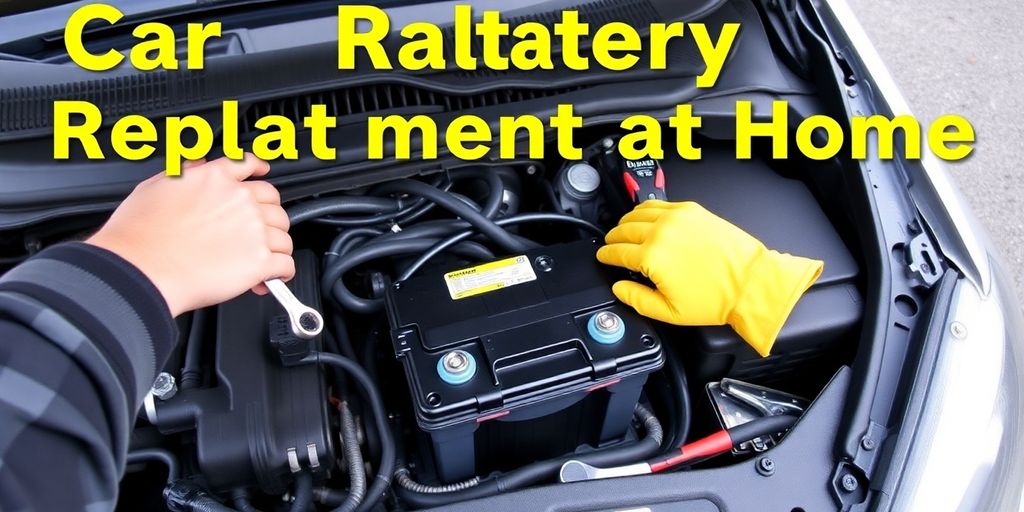
Okay, so why bother with keeping up with your car battery? Well, think of your car battery like the heart of your vehicle’s electrical system. It provides the initial jolt needed to start your engine and keeps everything running smoothly. Ignoring it can lead to some pretty annoying problems. Regular maintenance, like checking for corrosion and keeping it clean, can seriously extend its life. Plus, a healthy battery means fewer unexpected breakdowns. Nobody wants to be stranded, right?
Signs Your Battery Needs Replacement
How do you know when your battery is on its last leg? Here are a few telltale signs:
- Slow engine crank: If your engine sounds like it’s struggling to start, that’s a big red flag.
- Dim headlights: Weak headlights, especially at night, can indicate a dying battery.
- Dashboard warning light: That little battery icon lighting up on your dash? Don’t ignore it!
Ignoring these signs can leave you stranded. It’s better to address the issue early to avoid bigger problems down the road.
The Cost Benefits of DIY Replacement
Let’s talk money. Replacing your car battery at home can save you a good chunk of change. Think about it: no labor costs, no shop fees. You’re just paying for the car battery replacement itself. Plus, you learn a new skill! It might seem intimidating at first, but with the right tools and a little guidance, it’s totally doable. Here’s a quick breakdown of potential savings:
| Item | Cost (DIY) | Cost (Shop) |
|---|---|---|
| Battery | $100-$200 | $100-$200 |
| Labor | $0 | $50-$150 |
| Total | $100-$200 | $150-$350 |
Essential Tools For Car Battery Replacement
Basic Tools You Need
Okay, so you’re thinking about swapping out your car battery yourself? Awesome! First things first, you gotta make sure you have the right tools. You don’t want to get halfway through and realize you’re missing something. Having the right tools makes the job way easier and safer. Here’s a quick rundown:
- A socket wrench set: This is key for loosening and tightening the battery terminals and hold-down clamps. Make sure you have the right size sockets for your car. Usually, a metric set will do the trick.
- Wrench: Sometimes, you might need a regular wrench for those hard-to-reach spots or if the socket wrench doesn’t quite fit.
- Screwdrivers: Both flathead and Phillips head screwdrivers can come in handy for removing any covers or brackets that are in the way.
- Battery terminal cleaner: Corrosion can build up on the terminals, making it hard to get a good connection. A terminal cleaner will help you scrub that gunk away.
Don’t skimp on the tools. Cheap tools can break or strip bolts, making the job way harder than it needs to be. Invest in decent quality tools, and they’ll last you for years.
Safety Equipment for Battery Replacement
Safety first, always! Car batteries contain acid, and you don’t want that stuff getting on your skin or in your eyes. Plus, there’s a risk of sparks when you’re disconnecting and reconnecting the terminals. So, gear up!
- Safety glasses or goggles: Protect your eyes from acid splashes and flying debris. Trust me, you don’t want battery acid in your eyes.
- Gloves: Wear some heavy-duty gloves to protect your hands from the acid. Nitrile or rubber gloves work great.
- Old clothes: Don’t wear your favorite shirt or pants. Battery acid can stain or ruin clothing.
Optional Tools for Advanced Users
Alright, so you’ve got the basics covered. But if you want to make the job even easier or if you’re dealing with a particularly stubborn battery, here are a few extra tools that can come in handy:
- Battery terminal puller: If the terminals are really stuck on there, a terminal puller can help you remove them without damaging anything.
- Memory saver: When you disconnect the battery, you can lose your car’s settings, like the radio presets and seat positions. A memory saver plugs into the cigarette lighter and keeps those settings intact.
- Multimeter: If you want to check the voltage of your new battery or troubleshoot any electrical issues, a multimeter is a useful tool to have.
Having these tools on hand will make the battery replacement process smoother and safer. Good luck!
Step-By-Step Guide To Car Battery Replacement
Preparing Your Vehicle
First things first, safety! Park your car on a level surface, engage the parking brake, and turn off the ignition. Seriously, don’t skip this. It’s also a good idea to wear safety glasses and gloves. You don’t want battery acid in your eyes or on your skin. Make sure you have enough light to see what you’re doing. Gather all your tools and the new battery nearby. Preparation is key to a smooth replacement.
Removing The Old Battery
Okay, time to get that old battery out. Start by disconnecting the negative (-) terminal. Use a wrench to loosen the nut and gently wiggle the connector off. Tuck the cable away so it doesn’t accidentally touch the terminal. Then, do the same for the positive (+) terminal. Remove any hold-down clamps or brackets securing the battery. Carefully lift the old battery out of the tray. Remember to lift with your legs, not your back! Car batteries are heavy and awkward. Inspect the battery tray for corrosion and clean it if necessary. You might need a baking soda and water solution for that.
Installing The New Battery
Now for the fun part – putting in the new battery. Carefully lower the new battery into the tray, making sure it’s oriented correctly. Reattach any hold-down clamps or brackets. Connect the positive (+) cable first, then the negative (-) cable. Make sure the connections are snug but not overtightened. Give the battery a little wiggle to ensure it’s secure. Double-check that all connections are clean and tight. Finally, start your car to make sure everything is working properly. If it starts right up, you’re good to go! If not, double-check your connections. If you’re still having trouble, it might be time to call a professional. If you need to chat with battery experts, there are options available.
Replacing a car battery isn’t rocket science, but it does require some attention to detail. Taking your time and following these steps carefully will help you avoid mistakes and ensure a successful replacement.
Common Mistakes To Avoid During Battery Replacement
Neglecting Safety Precautions
Okay, so you’re saving some cash by doing this yourself, which is great. But seriously, don’t skip on safety. Batteries contain sulfuric acid, which can cause burns, and they also produce hydrogen gas, which is explosive. Wear safety glasses and gloves. It’s not worth risking your eyesight or skin to save a few minutes. Also, make sure the area is well-ventilated to avoid any issues with hydrogen buildup. I know it sounds like overkill, but trust me, it’s not.
Using The Wrong Tools
Using the right tools makes the job way easier and safer. Don’t try to make do with whatever’s lying around. Get the correct wrench size for the terminals. Using pliers or something else can damage the terminals or even cause a short. Also, a battery terminal puller can be a lifesaver if the terminals are stuck. Trying to pry them off with a screwdriver is just asking for trouble. Keep your tools organized; a socket set is a must.
Improper Disposal of Old Batteries
Old car batteries are super bad for the environment. They contain lead and sulfuric acid, both of which can contaminate soil and water. Don’t just toss it in the trash! Most auto parts stores will take your old battery for recycling, and some even give you a small credit for it. It’s the responsible thing to do, and it keeps those nasty chemicals out of landfills. Plus, you might get a few bucks back. Here’s a quick list of what NOT to do:
- Don’t throw it in the trash.
- Don’t leave it outside to leak.
- Don’t try to take it apart yourself.
Disposing of your old battery properly is not just good for the environment; it’s often required by law. Check your local regulations to avoid any fines or penalties. Recycling ensures that the materials are reused safely and responsibly.
Extending The Lifespan Of Your New Car Battery
So, you’ve just installed a new car battery. Awesome! Now, how do you make sure it lasts as long as possible? It’s not rocket science, but a little care can go a long way. I’ve had batteries last way longer than expected just by following a few simple tips. Let’s get into it.
Regular Maintenance Tips
- Keep it clean: Corrosion is a battery’s worst enemy. Check the terminals regularly and clean them with a wire brush and a baking soda solution. Trust me, it makes a difference. I usually do this every few months, or whenever I notice any buildup.
- Turn off everything: Before you turn off your car, make sure all lights, the radio, and any accessories are off. Leaving them on drains the battery, and that shortens its life. It’s a simple habit that can really help.
- Drive Regularly: If your car sits for long periods, the battery can lose its charge. Try to drive it at least once a week for at least 30 minutes to keep the battery charged. Short trips don’t always do the trick.
I once left my car sitting for almost a month while I was on vacation. When I got back, the battery was completely dead. Now, I always make sure someone drives it or I disconnect the battery if I know it’s going to be sitting for a while.
Understanding Environmental Impacts
- Extreme temperatures are tough on batteries. Hot weather can cause the battery fluid to evaporate, while cold weather reduces the battery’s cranking power. If you live in an area with extreme temperatures, consider using a battery blanket in the winter or parking in the shade in the summer.
- Vibration can also damage a battery. Make sure the battery is securely mounted in its tray to minimize vibration. A loose battery can also cause damage to the battery terminals.
- Road salts and other chemicals can corrode the battery and its connections. Regularly wash your car, especially during the winter months, to remove these chemicals.
Signs of Battery Wear
- Slow Cranking: If your engine is slow to turn over when you start the car, it could be a sign that the battery is getting weak. Don’t ignore this! It’s a warning sign.
- Dim Lights: If your headlights dim when you’re idling, it could be a sign that the battery isn’t holding a charge. This is especially noticeable at night.
- Check Engine Light: Sometimes, a weak battery can trigger the check engine light. Have your car scanned to see if there are any codes related to the battery or charging system.
Regular testing is key to extending battery life. I use a simple multimeter to check the voltage every few months. If it’s consistently low, it’s time to start thinking about a replacement. Also, consider the type of driving you do. Lots of short trips can be harder on a battery than longer drives, as the battery doesn’t have as much time to fully recharge.
Choosing The Right Battery For Your Vehicle
It’s easy to think all car batteries are the same, but that’s just not true. Picking the right one is super important for how well your car runs. You wouldn’t put the wrong size shoes on, right? Same idea here. Let’s get into what you need to know.
Understanding Battery Types
There are a few main types of car batteries out there. The most common is the lead-acid battery, which has been around forever. Then you’ve got AGM (Absorbent Glass Mat) batteries, which are sealed and spill-proof – good for newer cars with lots of electronics. And finally, there are lithium-ion batteries, which are lighter and more powerful, but also more expensive. Knowing the difference is the first step. Explore the differences between lead-acid batteries, AGM, and lithium options to make an informed decision.
Factors To Consider When Buying
Okay, so you know the types. Now what? Here’s a quick list of things to think about:
- Your car’s specs: Check your owner’s manual. It’ll tell you exactly what size and type of battery your car needs.
- Cold Cranking Amps (CCA): This is how much power the battery has to start your car in cold weather. If you live somewhere cold, get a battery with a high CCA rating.
- Reserve Capacity (RC): This is how long the battery can run your car’s electrical system if the alternator fails. Longer is better.
- Warranty: A good warranty can save you money if the battery dies early.
Don’t just grab the cheapest battery you see. Think about your car, your climate, and how you drive. A little research now can save you headaches later.
Where To Purchase Quality Batteries
So, where do you actually buy a battery? You’ve got a few options. Auto parts stores are the obvious choice. They usually have a good selection and knowledgeable staff. Big box stores like Walmart or Costco also sell batteries, often at lower prices. And don’t forget online retailers. Just make sure you’re buying from a reputable source and that the battery is properly sized for your vehicle. Always replace a car battery with one that’s made for your car’s make and model.
Troubleshooting After Battery Replacement
Okay, so you’ve swapped out your car battery. Awesome! But what happens if things don’t go exactly as planned? Don’t panic. Here’s a rundown of common issues and how to tackle them.
Common Issues Post-Replacement
Sometimes, even after a fresh install, your car might act up. Here’s what to look for:
- Car won’t start: This is the big one. Could be a loose connection, a faulty new battery (it happens!), or something else entirely.
- Check Engine Light is on: This could indicate a variety of issues, some related to the battery change, others not. Time for some investigating.
- Electrical issues: Dim headlights, malfunctioning radio, or other weird electrical behavior can point to battery problems.
- Slow engine turnover: The engine cranks slowly before starting, suggesting insufficient power.
If your car is not starting, you can try to jump-start it and see if that helps.
When To Seek Professional Help
Alright, you’ve tried the basics, and your car is still giving you grief. Time to call in the pros. Here’s when:
- You’re not comfortable working on your car: Safety first! If you’re unsure, don’t risk it.
- You’ve checked all connections, and the car still won’t start: There might be a deeper issue at play.
- The check engine light persists after troubleshooting: A mechanic can diagnose the problem with specialized tools.
- You notice any unusual smells or sounds: Burning smells, hissing noises, or anything out of the ordinary warrants immediate attention.
Don’t be afraid to admit defeat. Sometimes, a professional is the best option to ensure your car is running safely and reliably. It’s better to spend a little money than to cause further damage or injury.
Testing Your New Battery
So, you’ve got a new battery installed, and everything seems fine. But how do you know it’s really working? Here are a few ways to test it:
- Visual Inspection: Check for any signs of damage, corrosion, or leaks. Make sure the terminals are clean and securely connected.
- Voltage Test: Use a multimeter to measure the battery’s voltage. A fully charged 12V battery should read around 12.6 volts or higher.
- Load Test: This test simulates the load of starting the engine. Many auto parts stores offer free battery load testing. This will help you determine if you need to recondition the battery.
By following these troubleshooting steps, you can hopefully resolve any issues that arise after replacing your car battery. If not, don’t hesitate to seek professional help. Good luck!
After you change your car battery, you might run into some issues. If your car won’t start or the lights are flickering, don’t worry! These problems can happen sometimes. Make sure the battery is connected properly and check for any loose wires. If everything looks good but the car still isn’t working, it might be time to get some help. Visit our website for more tips and to find out how we can assist you with your car troubles!
Wrapping It Up
So, there you have it! Replacing your car battery at home isn’t as scary as it seems. With the right tools and a bit of patience, you can do it yourself and save some cash in the process. Remember to check your owner’s manual for the right battery type and follow local guidelines for disposal. If you ever feel unsure, don’t hesitate to reach out to a professional. But honestly, with the steps laid out in this guide, you’re more than capable of handling it. Now, go ahead and tackle that battery replacement like a pro!
Frequently Asked Questions
How do I know when my car battery needs to be replaced?
Look for signs like dim headlights, slow engine starts, or if your battery is over three years old.
Can I change my car battery myself?
Yes! With the right tools and instructions, you can easily replace your car battery at home.
What tools do I need to replace a car battery?
You’ll need basic tools like a wrench, safety gloves, and safety glasses. A battery terminal cleaner can also help.
How do I dispose of my old car battery?
Take it to a recycling center or an auto parts store that accepts old batteries to ensure proper disposal.
What type of battery should I buy for my car?
Check your owner’s manual for the correct battery type and size for your vehicle.
What should I do if my new battery doesn’t work?
Make sure it’s properly connected. If it still doesn’t work, you might need to seek help from a professional.