Thinking about fixing your car yourself? It’s a great idea! Doing your own auto repair at home can save you a bunch of money and give you a real sense of accomplishment. Plus, you get to know your vehicle better. This guide is packed with tips, from what tools you’ll need to keeping things safe, so you can tackle car maintenance with confidence.
Key Takeaways
- Always put safety first when working on your car.
- Having the right tools makes any job easier.
- Keeping good records of your car’s maintenance is super helpful.
- Know when to ask for help or take your car to a pro.
- A clean and organized workspace is a happy workspace.
Essential Tools for DIY Car Mechanics
Basic Hand Tools For Car Mechanics
Okay, so you wanna get your hands dirty and actually fix your car yourself? Awesome! First things first, you’re gonna need some tools. Think of these as the bare minimum to get started. You can always add more later, but without these, you’re basically stuck. Here’s a quick rundown:
- Socket Set: Metric and SAE. Trust me, you’ll need both. Get a decent set with different sizes and extensions.
- Wrench Set: Combination wrenches are your friend. Again, metric and SAE.
- Screwdrivers: A variety of sizes and types (flathead, Phillips, etc.). Don’t skimp on these; cheap ones strip easily.
- Pliers: A few different types – needle-nose, slip-joint, and maybe some locking pliers (Vise-Grips).
- Oil Filter Wrench: Because changing your oil is one of the easiest things you can do yourself.
Don’t buy the cheapest tools you can find. They’ll break, and you’ll end up spending more in the long run. Look for quality brands that offer warranties. It’s an investment.
Advanced Tools for Specific Repair Jobs
Alright, so you’ve got the basics down. Now, let’s talk about the tools you’ll need for more involved repairs. These aren’t strictly necessary to start, but they’ll open up a whole new world of DIY possibilities. Plus, they’re kinda fun to use. Here’s what I’d recommend:
- Torque Wrench: Absolutely essential for tightening bolts to the correct spec. Prevents over-tightening and damaging parts.
- Multimeter: For diagnosing electrical problems. If you’re not comfortable with electrical work, be careful!
- OBD2 Scanner: Reads trouble codes from your car’s computer. Super helpful for figuring out what’s wrong. You can use this to check car maintenance.
- Jack Stands: Never, ever work under a car supported only by a jack. Jack stands are a must for safety.
- Spring Compressor: If you’re planning on doing any suspension work, you’ll need one of these. Be extremely careful; springs can be dangerous.
Step-by-Step Car Repair Guide
Detailed Instructions for Routine Repairs
Okay, so you wanna get your hands dirty? Awesome! Let’s talk routine stuff. Having a solid guide is seriously important. Think of it like a recipe – you wouldn’t bake a cake without one, right? Same deal here. Whether it’s swapping out your air filter or changing your oil, a step-by-step guide will save you a ton of headaches. I usually check my car’s service manual first. There are also tons of reputable websites and videos out there. Just make sure they’re legit before you start!
Troubleshooting Tips During Repair Processes
Things go wrong. It’s just a fact. That bolt that won’t budge? The part that doesn’t quite fit? Don’t panic! Troubleshooting is a skill, and it gets easier with practice.
Here’s my usual approach:
- Double-check the part number. Seriously, even pros mess this up.
- Make sure all connections are clean and tight.
- Take a break! Sometimes a fresh set of eyes helps.
I remember one time, I spent hours trying to fix a misfire, only to realize I’d forgotten to plug in a sensor. Felt like a total idiot, but hey, we all learn somehow!
And if you’re really stuck, don’t be afraid to ask for help. There are online forums full of people who’ve been there, done that. You can also find general auto repair guides online.
Home Auto Repair: Safety and Efficiency
DIY car work can be super rewarding, but let’s be real, it’s gotta be done safely. You’re dealing with heavy machinery, sometimes sketchy chemicals, and the potential for things to go sideways fast. So, let’s talk about how to keep yourself (and your car) in one piece.
Setting Up a Safe Repair Environment
First things first, your workspace needs to be on point. Ventilation is key – you don’t want to be breathing in fumes all day. Good lighting is also a must; you need to see what you’re doing. I learned that the hard way when I almost cross-threaded a bolt because I couldn’t see properly. Electrical safety is another big one. Make sure your outlets are grounded, and keep any electrical tools away from water. Trust me, you don’t want to find out the hard way why that’s important.
- Make sure your workspace is well-ventilated. Open windows or use a fan.
- Use proper lighting. A well-lit area can prevent accidents.
- Keep electrical tools away from water and use grounded outlets.
I always make sure to have a clear workspace before I even think about touching my car. It’s not just about safety; it’s about efficiency too. When you’re not tripping over tools and parts, you can actually get the job done faster.
Dealing with Automotive Fluids and Chemicals Safely
Okay, fluids. Oil, coolant, brake fluid – they’re all kinda nasty. Always wear gloves and eye protection. Seriously, don’t skip this step. I once got brake fluid in my eye, and it was not a fun experience. Dispose of used fluids properly. Don’t just dump them down the drain! Check your local regulations for how to get rid of them. And keep some absorbent materials handy for spills. Because spills happen. I’ve found that seeking professional help is the best way to avoid costly mistakes.
- Always wear gloves and eye protection.
- Dispose of used fluids properly.
- Keep absorbent materials on hand for spills.
Emergency Procedures for DIY Repairs
Even if you’re super careful, stuff can still go wrong. Have a fire extinguisher handy – one that’s rated for electrical and chemical fires. Know basic first aid. Cuts, burns, chemical exposure – it’s all part of the game. And know when to quit. If a repair is getting too complicated, or if you’re just not feeling it, don’t be afraid to call in a pro. It’s better to swallow your pride than to end up with a bigger problem (or an injury). Familiarize yourself with DIY auto troubleshooting to prevent issues down the line.
- Keep a fire extinguisher nearby.
- Know basic first aid.
- Know when to seek professional help.
Car Maintenance Tips for DIY Enthusiasts
Seasonal Maintenance Routines
Okay, so the seasons are changing, and that means your car needs some love. Think of it like changing your wardrobe; your car needs to adapt too. Before winter hits, make sure your antifreeze is good to go and your battery is strong enough to handle the cold. Summer? Check that AC and keep an eye on your tires because heat messes with the pressure.
- Check antifreeze levels before winter.
- Inspect tire pressure and tread depth before summer.
- Evaluate battery health before winter.
Doing these things will help your car run smoothly all year. It’s not rocket science, just a little bit of planning.
Keeping Maintenance Records
Seriously, write stuff down. I know it sounds boring, but it’s super helpful. Keep track of when you did what, what parts you used for car maintenance, and how much it all cost. This way, you can see what’s been done and what needs doing. Plus, if you ever sell the car, you’ve got proof that you took care of it.
- Record dates of service.
- Note parts used and costs.
- Track mileage at each service.
At-Home Vehicle Repair: Workspace and Storage
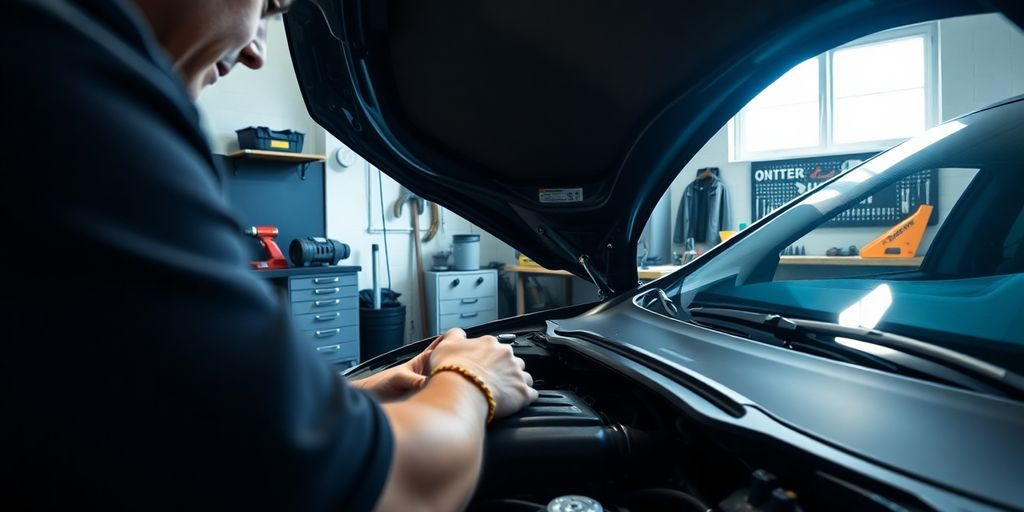
Let’s be real, working on your car at home can get messy fast. Having a good workspace and storage system isn’t just about looking organized; it’s about safety and efficiency. You don’t want to be tripping over tools or searching for that one wrench you know you had five minutes ago. Plus, a clean workspace makes the whole process way more enjoyable.
Space-Saving Tips for Small Garages
Okay, so not everyone has a huge garage. I get it. But even if you’re working with limited space, you can still set up a functional repair area. The key is to think vertical.
- Wall-mounted shelves are your best friend. Seriously, get some sturdy ones and load them up with parts bins, tools, and fluids. Check out these garage storage solutions for ideas.
- A rolling tool chest is another must-have. It keeps your most-used tools organized and mobile, so you can easily move them around as needed.
- Consider a foldable workbench. It gives you a solid work surface when you need it, and then folds away when you don’t.
I used to think I could just pile everything in a corner, but trust me, that’s a recipe for disaster. Now I have a dedicated spot for everything, and it makes a world of difference.
Maintaining a Clean and Organized Workspace
Cleaning up after yourself is crucial. It’s not just about being tidy; it’s about preventing accidents and keeping your tools in good condition.
- Wipe up spills immediately, especially oil and coolant. These fluids can be slippery and dangerous.
- Put tools back where they belong after each use. This saves time and prevents you from losing them.
- Dispose of used parts and fluids properly. Don’t just toss them in the trash. Check your local regulations for disposal guidelines.
Keeping your workspace clean and organized will make your DIY repairs safer and more efficient. Plus, it’ll make you feel like a pro, even if you’re just a weekend warrior.
Selecting Auto Parts for Repair
Understanding Car Part Compatibility
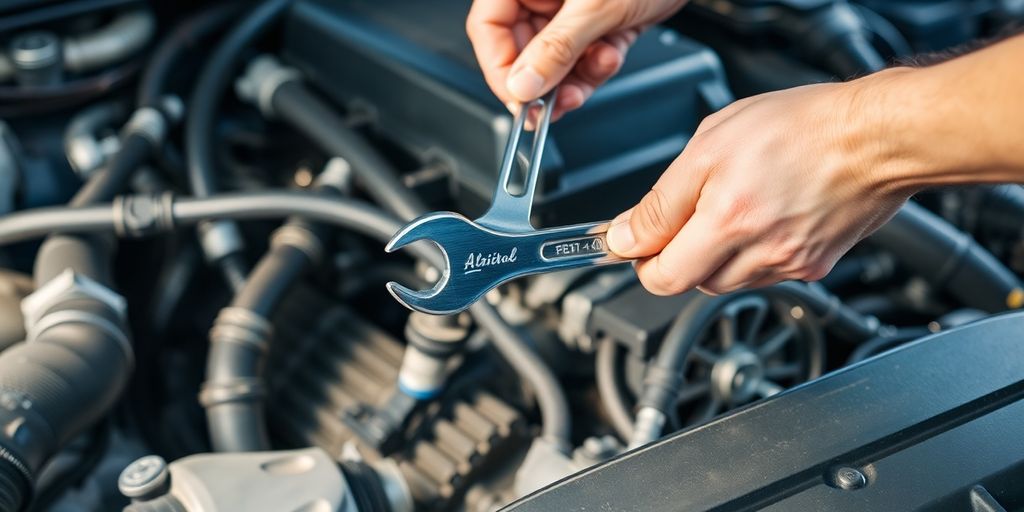
When it comes to fixing your car yourself, getting the right parts is super important. You can’t just grab any old part and hope it fits. Different car models need specific parts, so you gotta know what’s compatible with your ride. It’s worth double-checking before you buy anything to avoid a headache later.
Online vs. Local Suppliers: Where to Buy
Okay, so you need a new part. Do you hit up the local auto parts store, or do you order online? Both have their pros and cons. Online, you might find better deals and a bigger selection. For example, aftermarket car parts are often cheaper. But, you can’t physically inspect the part before buying, and you have to wait for shipping. Local stores let you see the part, ask questions, and get it right away. Plus, you’re supporting local businesses. Here’s a quick rundown:
- Online: Wider selection, potentially lower prices, but shipping times and return hassles.
- Local: Immediate availability, expert advice, but possibly higher prices.
- Consider warranty: Check the warranty offered by both online and local suppliers.
I usually check online first to get an idea of prices and availability, then I call my local store to see if they can match the price. It’s a good way to get the best of both worlds.
Picking the right parts for your car’s fix is super important. It makes sure your ride runs great and stays safe. Don’t guess! For help picking the best parts and getting them installed right, check out our website.
Wrapping It Up: Your DIY Auto Repair Journey
So, as we finish up this guide, just remember that doing your own car repairs is more than just fixing stuff. It’s about taking charge of your car’s future, one fix at a time. Whether you’re just starting out or you’ve been tinkering for years, getting good at this means learning new things, trying stuff out, and just getting more experience. Good luck with all your DIY car projects!
Frequently Asked Questions
What tools do I need to start fixing my car myself?
Getting started with fixing your car at home is easier than you think! You’ll want to begin with some basic hand tools like a good set of wrenches, screwdrivers, and pliers. A car jack and jack stands are also super important for safety. As you get more comfortable, you can add special tools for bigger jobs.
How can I make sure I’m safe when doing car repairs at home?
Safety is the most important thing when working on your car. Always make sure your car is on a flat surface and use jack stands if you’re lifting it. Wear gloves and eye protection, especially when dealing with car fluids. Also, make sure your work area has good air flow so you don’t breathe in bad fumes.
What kind of car repairs can I actually do by myself?
Many simple car problems can be fixed at home. Things like changing your oil, replacing air filters, checking tire pressure, and even swapping out a battery are great places to start. As you learn more, you can try bigger tasks like changing brake pads or spark plugs.
How do I find the right parts for my car when I’m fixing it?
To find the right parts, first, know your car’s exact year, make, and model. Your car’s manual or a quick online search can help you find the part numbers you need. You can buy parts from local auto stores or online. Online stores often have more choices and sometimes better prices, but local stores can help you get the part faster if you’re in a hurry.
Why is it important to keep track of my car’s maintenance?
Keeping good records of your car’s maintenance is a smart move. Write down when you did a repair, what you fixed, and any new parts you put in. This helps you remember when to do things again, like oil changes, and can be really helpful if you ever sell your car.
When should I know it’s time to call a professional mechanic?
If you’re not sure about a repair, or if it feels too big or too dangerous, it’s always best to stop and get help from a professional mechanic. It’s okay to know your limits. Sometimes, trying to fix something you’re not ready for can cause more problems and cost more money in the long run.